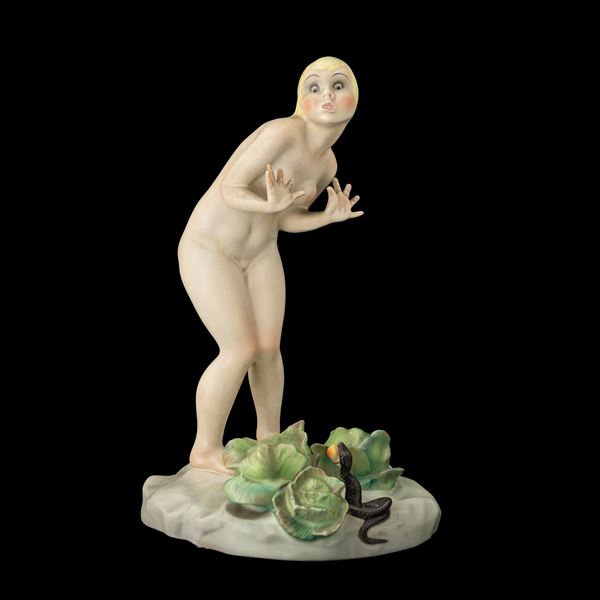
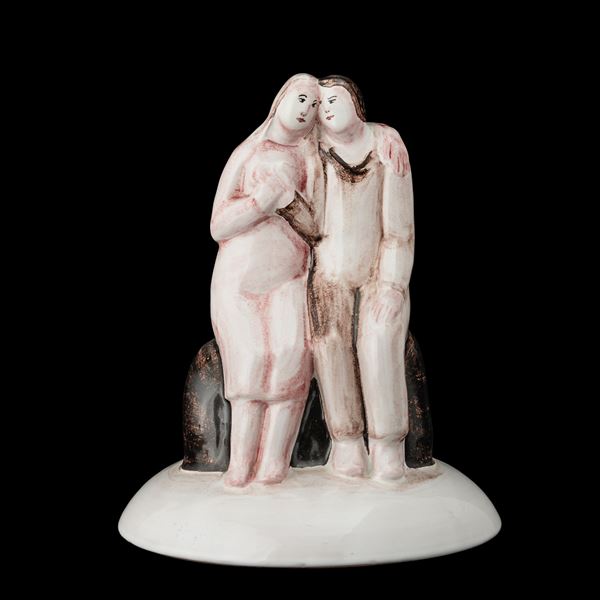
The Lenci production is represented by Helen König Scavini, Felice Tosalli, Sandro Vacchetti and Giuseppe Porcheddu, with Sposi (Newlyweds), dating from around 1930, a slip-cast earthenware sculpture depicting a young married couple (lot 22, estimate €5,500–6,000), and by Mario Sturani with Falconiere e Castellana (Falconer and Castle Lady), a pair of sculptures dating from around 1932, depicting figures in medieval costume, made of slip-cast earthenware with polychrome decoration (lot 26, estimate €2,500–3,000).
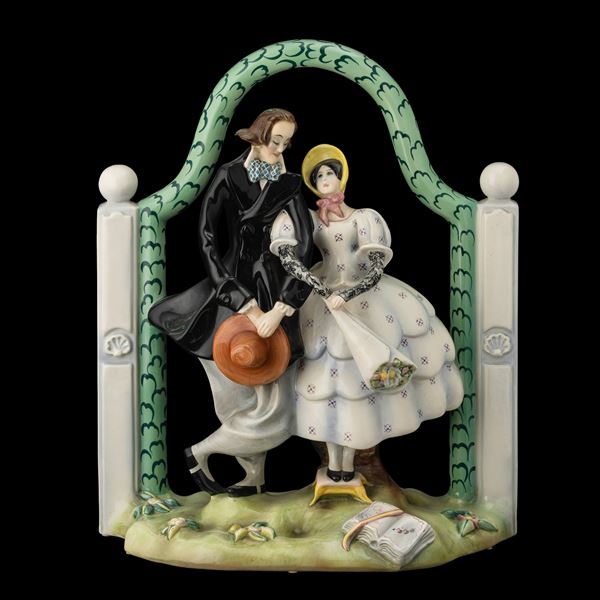
Two versions of Massimo Quaglino's Dama e Cavaliere 1848 – Passeggiata sentimentale (Lady and Gentleman 1848 – A Sentimental Stroll) are also worthy of note. Created in 1932 and 1930 respectively, both depict a couple of lovers taking a stroll, rendered in slip-cast earthenware with polychrome decoration (lot 30, estimate €1,000–1,500; lot 31, estimate €1,000–1,500).
A further selection is dedicated to the ceramics of Francesco Nonni, featuring four works produced in Faenza between the 1920s and 1930s at various manufactories.
Lella Curiel's collection reflects the taste and sensibility of one of the leading figures in Italian haute couture, a prominent presence on the Milanese fashion scene, renowned for a style in which elegance and attention to detail have always played a fundamental role.
Lella Curiel's passion for ceramics dates back to her youth. As the fashion designer herself has recounted, her first encounter with the world of collecting took place at the age of fifteen, while studying in England. It was there that she began visiting flea markets, discovering objects, ceramics and artefacts from different periods and traditions. This experience helped shape her taste and her approach to the decorative arts. For Lella Curiel, flea markets were not simply places to purchase objects, but opportunities for discovery and learning. Direct contact with people, the stories behind the objects and the ability to recognise the value of craftsmanship were essential aspects of this experience.
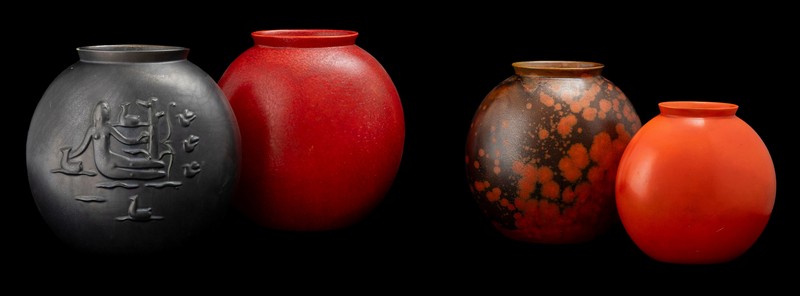
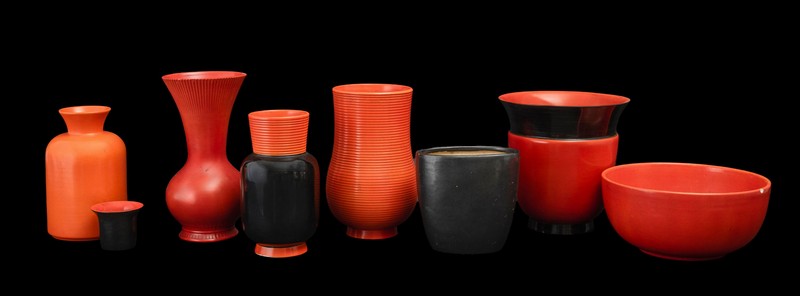
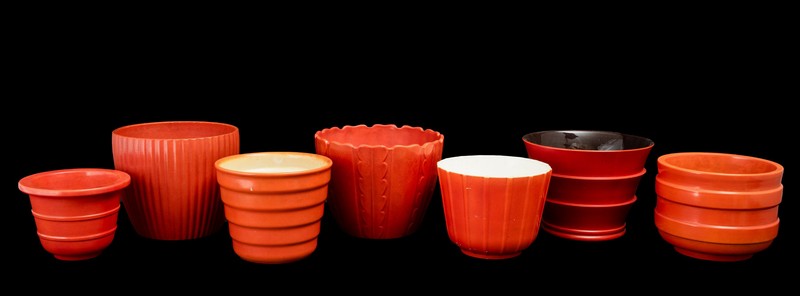
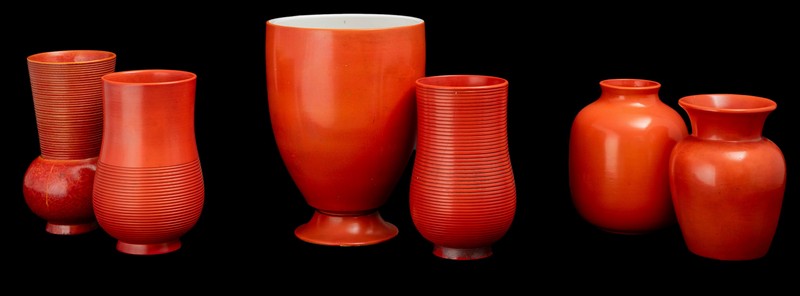
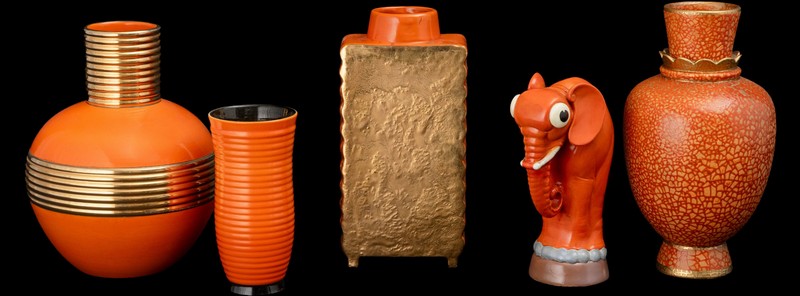
This interest developed over time, also through her visits to Milanese markets, including those along the Navigli, and was accompanied by a particular appreciation for materials, surfaces and the tactile qualities of ceramics. Her distinctive colour preference, which began to emerge in the 1970s, centred above all on an orange-red hue, close to vermilion: an intense and unusual shade that the designer considers one of the defining elements of her personal taste.
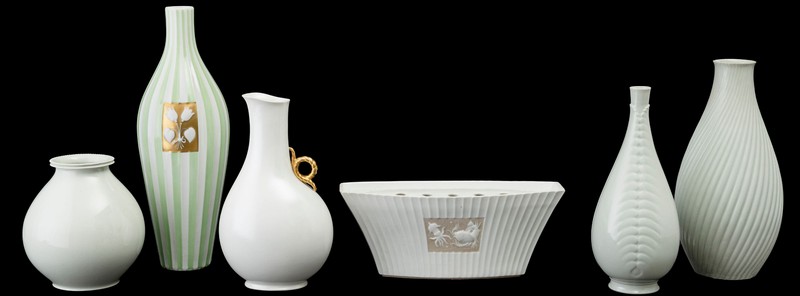
Alongside this colour, other shades, such as celadon green, and a variety of finishes reflect her interest in the expressive possibilities of ceramic materials. Lella Curiel's appreciation of the decorative arts forms part of a broader creative journey in which fashion, painting, literature and music have always been closely intertwined. In her designs, she has frequently drawn inspiration from art history and its leading figures, from Goya and Velázquez to Monet, Degas and Frida Kahlo, as well as from the literature of Marcel Proust.
This relationship with culture is also reflected in her appreciation of Futurism, with references to Giacomo Balla and Fortunato Depero, and her interest in artists such as Domenico Gnoli. Fashion thus becomes a language capable of embracing influences from different disciplines, reflecting a sensibility that also finds expression in her collecting choices. The collection includes works by major Italian manufactories, including Richard Ginori, Rometti and Società Ceramica Italiana, with vases, cachepots and decorative objects illustrating different interpretations of twentieth-century ceramics.
Among the most representative pieces is a large cachepot by Giovanni Gariboldi for Richard Ginori, dating from around 1930, in earthenware with raised leaf decoration and orange glaze (lot 70, estimate €300–400), and a baluster vase by the Rometti manufactory, produced around 1940, featuring raised gilded decoration and an orange rim (lot 78, estimate €800–1,000). Also noteworthy is a vase by Gio Ponti for Richard Ginori, dating from around 1935, with an oval cross-section and applied handles, made of slip-cast earthenware with orange glaze and a chequered ribbed decoration (lot 108, estimate €600–800).
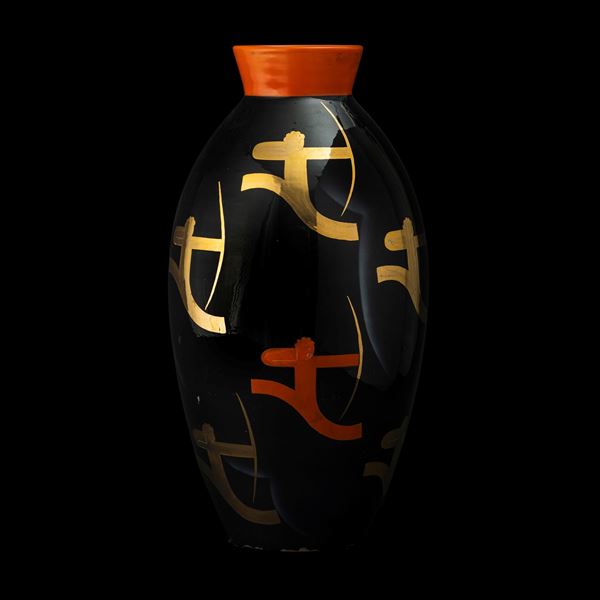
Among the works produced by S.C.I. is an egg-shaped vase by Guido Andloviz, dating from around 1940, with large applied handles and orange glaze decoration (lot 120, estimate €600–800). One of the most significant pieces in the selection is a large vase by Dante Baldelli for the Rometti manufactory, produced in Umbertide around 1938, in slip-cast earthenware decorated with stylised archers in polychrome and gold leaf (lot 122, estimate €4,000–5,000).
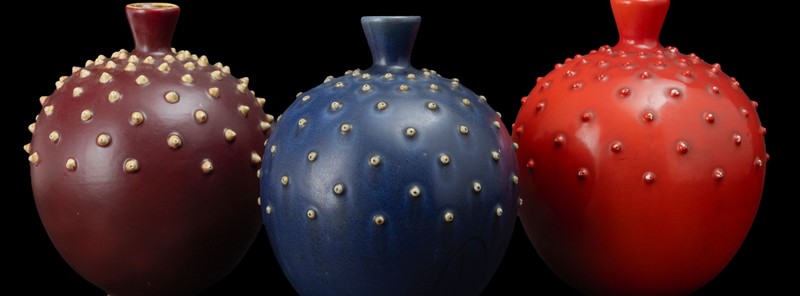
The chromatic exploration that characterises the collection is also evident in a spherical vase by Giovanni Gariboldi for Richard Ginori, dating from around 1940, with a short neck and spike-like applied elements finished in red glaze (lot 153, estimate €300–400), and in a large lens-shaped vase by Guido Andloviz for S.C.I. Laveno, dated 1938, featuring a flowing red glaze decoration (lot 157, estimate €800–1,000).
The collection thus offers an insight into Lella Curiel's personal taste, in which a preference for particular colours, an appreciation of materials and an interest in decorative forms are intertwined with the artistic sensibility that has defined her career in fashion.
Alongside Lella Curiel's collection, the auction presents an important group of ceramics designed by Gio Ponti, documenting the architect's contribution to the renewal of the Italian decorative arts. Among the highlights is the rare plate Gli Amanti (The Lovers), produced by Richard Ginori, San Cristoforo, Milan, in 1922. Made of earthenware with floral decoration in sanguine red and a central depiction of a pair of lovers in polychrome enamels, the plate bears the artist's signature, date and manufactory mark (lot 168, estimate €10,000–12,000).
Another noteworthy work by Gio Ponti is a decorative object in the shape of a pistol, produced by the Gabbianelli manufactory in Milan around 1950, in earthenware with raised heart and floral motifs (lot 160, estimate €1,200–1,500). Completing the group of works by Ponti is a large ribbed vase with lid, produced by Richard Ginori in 1928, featuring a finial in the form of a stylised flower and leaves, made of earthenware with burgundy glaze and gilded decoration (lot 172, estimate €2,000–3,000).
Among the works completing the selection is an asymmetrical stoneware vase by Carlo Zauli, produced in Faenza around 1955, featuring stylised abstract decoration (lot 228, estimate €1,500–2,000).
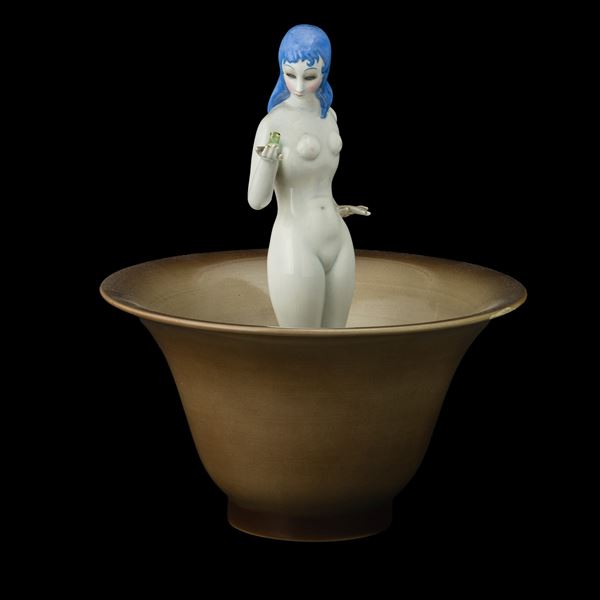
Mario Sturani (1906-1978) e Sandro Vacchetti (1889-1974)
Lenci, Torino 1930 ca Nuda con ranocchio
Giuseppe Porcheddu
Lenci, Torino 1930 ca Sposi
Helen König Scavini
Lenci, Torino 1934 Marianna

Rometti, Umbertide 1930 ca
Arturo Martini
Gli Innamorati, 1930 ca
Dante Baldelli
Rometti, Umbertide 1938 ca
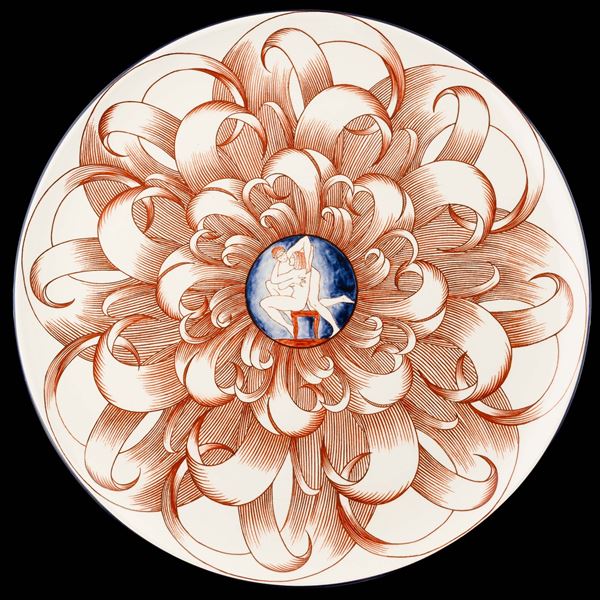
Gio Ponti
Richard Ginori, San Cristoforo, Milan 1922s Gli amanti

