Among the highlights of the sale is lot 136, an 18th-century Neapolitan sedan chair (estimate €15,000–20,000), an expression of the luxury and artistic culture of the Bourbon court. Made of carved and gilded wood, with an interior upholstered in green silk, it features painted panels depicting mythological and allegorical scenes attributable to the workshop of Francesco De Mura (Naples, 1696–1782). The surfaces of the passenger compartment, embellished with scrolls, foliage and Rococo motifs, display an elaborate iconographic programme: the front depicts the encounter between Diana and Endymion, the rear shows the Triumph of Bacchus and Ariadne, while the sides feature Hercules at Rest and Narcissus, accompanied by music-making putti. The sedan chair evokes an era when such means of transport were genuine symbols of social prestige. During the reigns of Charles III and Ferdinand IV of Bourbon, their production involved highly skilled cabinetmakers, carvers, gilders, upholsterers and painters, who transformed functional objects into true works of art. The sedan chair measures 84 × 115 × 180 cm.
Belonging to the same artistic milieu is lot 34, a Neapolitan cabinet dating from the late 17th to early 18th century (estimate €8,000–10,000), made of ebonised wood with tortoiseshell inlays framing reverse-painted glass panels in the manner of Luca Giordano. Characterised by an elaborate architectural structure, the cabinet depicts the myth of Perseus rescuing Andromeda from the sea monster. The principal figures appear among columns and decorated panels, surrounded by putti and marine creatures. The later stand is embellished with a mythological scene featuring Venus, Cupid and Vulcan. Standing 192 cm high, the cabinet illustrates the dialogue between cabinetmaking, painting and Baroque taste.
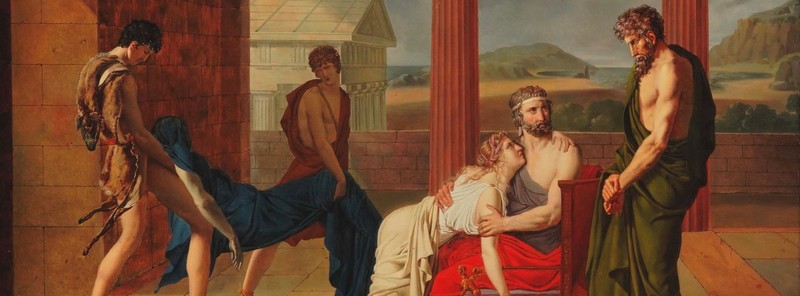
Among the most noteworthy paintings is lot 198, Joseph-Denis Odevaere (Bruges, 1775 – Brussels, 1830), Scene from Classical Antiquity (estimate €12,000–18,000). The oil on canvas, measuring 77 × 97 cm and formerly in the Galleria Iermano, Naples, represents an important example of classical subject painting and the fascination with antiquity that characterised European artistic culture between the 18th and 19th centuries.
A particularly significant section of the catalogue is devoted to antique clocks, with an extensive selection of table clocks illustrating the variety of technical and decorative solutions developed over the centuries.
Among the most interesting examples is lot 65, a brass nocturnal clock dating from 1565, signed Paolus Cimerlinus and dedicated to Alcinoo Faelae (estimate €5,000–6,000). Compact in size, measuring 25 × 15 cm, it features an altitude sundial on the reverse, combining different methods of timekeeping within a single object.
Alongside this rare example, particular attention is drawn to lot 79, a French clock with planetarium, probably dating from the 19th century. Three gilt-bronze sculptures, two depicting Hercules and one Atlas, support an engraved glass zodiacal sphere beneath which the planetarium is housed. The pierced bronze case, white enamel dial with Arabic numerals and shaped marble base edged with gilt-bronze palmettes complete a highly decorative composition.
Of particular interest is the mechanism, driven by the clock movement, which sets two spheres representing planets of the solar system in motion around the Sun, depicted as a central globe covered with paper gores bearing the inscription "à Paris chez le St Forum rue de la Harpe 1773".
Another particularly fascinating work is lot 32, a large Italian embroidery dating from the late 17th century (estimate €5,000–6,000), executed in silk and metallic threads and measuring an impressive 265 × 367 cm. The work depicts a biblical episode from the seventh chapter of the Book of Joshua, showing the dramatic scene of the stoning of Achan. The composition, enriched by a coat of arms in the upper section and a cartouche bearing an inscription in the lower section, is framed by a decorative border of vegetal garlands.
Sculpture is represented by lot 179, Capitoline Venus, an Italian Neoclassical work dating from the 18th–19th century (estimate €7,000–8,000). Carved in white marble and measuring 36 × 27 × 100 cm, the statue takes its inspiration from the celebrated Roman sculpture of the 2nd century AD, itself derived from a Greek original and now housed in the Capitoline Museums in Rome.
Representing the tradition of Genoese decorative furnishings is lot 149, a pair of putti with tritons, Genoese work from the early 18th century (estimate €6,000–8,000). Standing 174.5 cm high, the sculptures are made of carved and gilded wood, with faux-rock bases lacquered in black. They are an interesting example of ceremonial furnishings, still influenced by the Roman Baroque style introduced to Genoa by Filippo Parodi. Objects of this kind, used either as independent decorative elements or as torchère supports, were found in the principal residences of the Genoese patriciate between the last quarter of the 17th century and the early decades of the 18th century.
The tradition of Ligurian cabinetmaking is further represented by a refined selection of 18th-century Genoese furniture, including lot 151, an elegant veneered trumeau featuring the characteristic quatrefoil motif (estimate €18,000–24,000). Standing 245 cm high, it features a lower section with drawers and a shaped fall-front, an elaborate interior arrangement of compartments and small drawers, and an upper section with distinctly curved lines and mirrored doors.
This is complemented by an interesting group of 18th-century Genoese fall-front bureaux, testifying to the craftsmanship of local cabinetmakers. Together, these pieces evoke the charm of the interiors of Ligurian patrician residences and the quality of the region's furniture-making tradition.
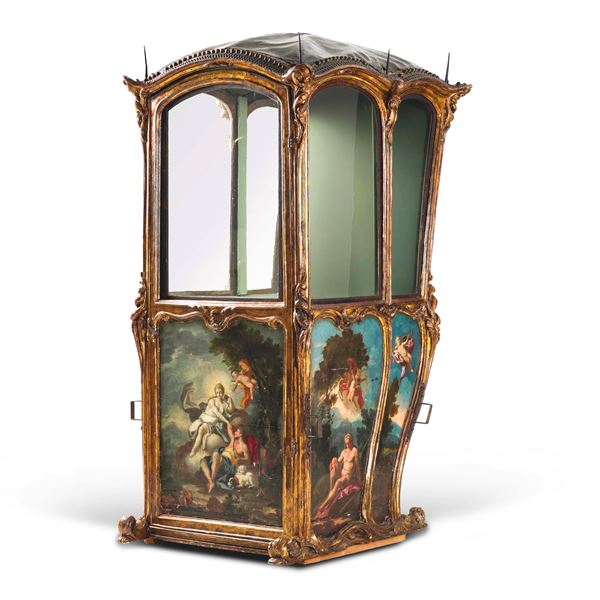
Portantina. Napoli, XVIII secolo
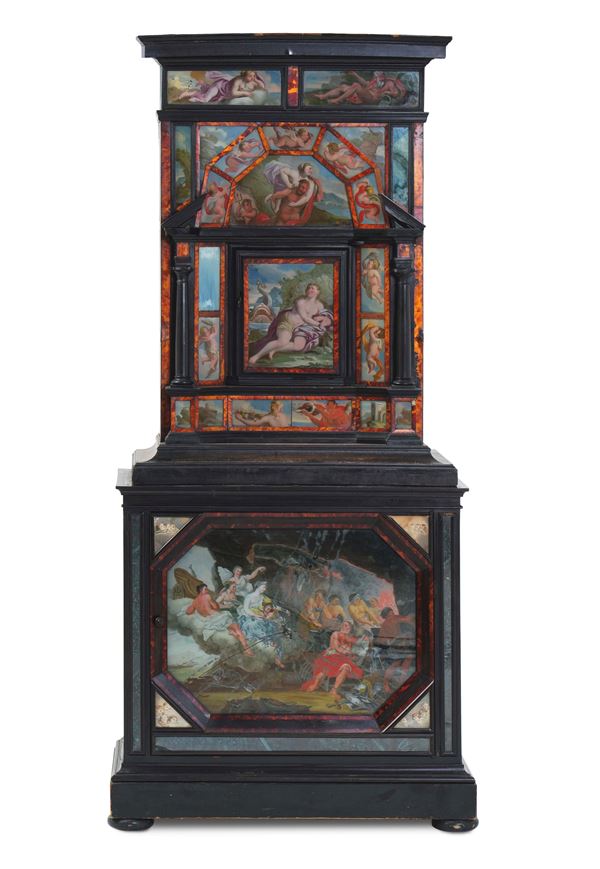
Cabinet. Napoli, fine XVII - inizio XVIII secolo
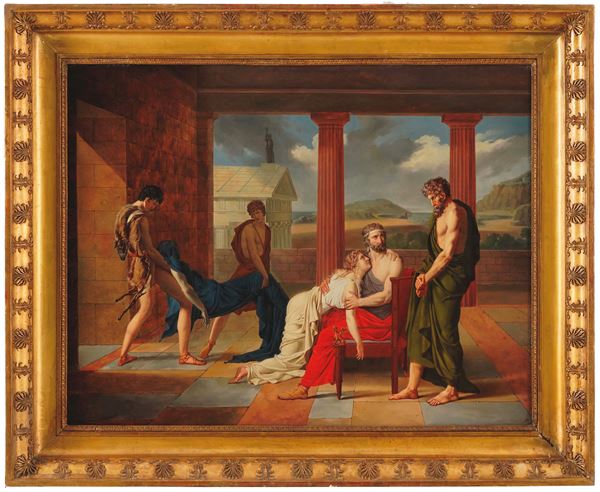
Joseph-Denis Odevaere
Episodio tratto dalla classicità
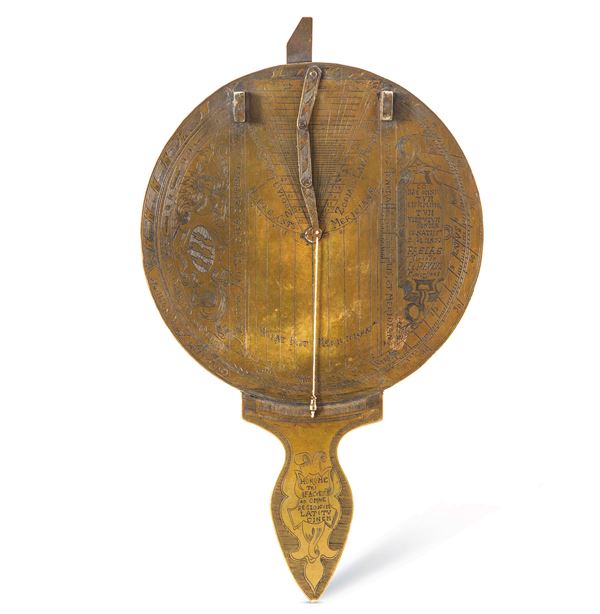
Orologio notturno in ottone, firmato Paolus Cimerlinus e dedicato ad Alcinoo Faelae. 1565
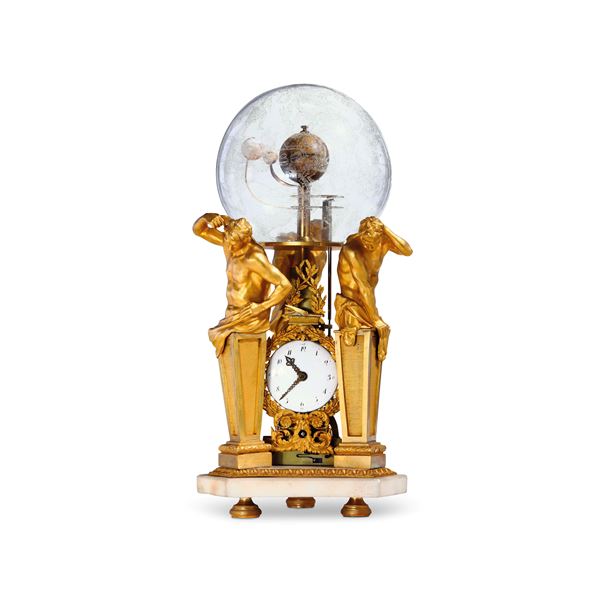
Orologio con planetario. Francia, probabile XIX secolo
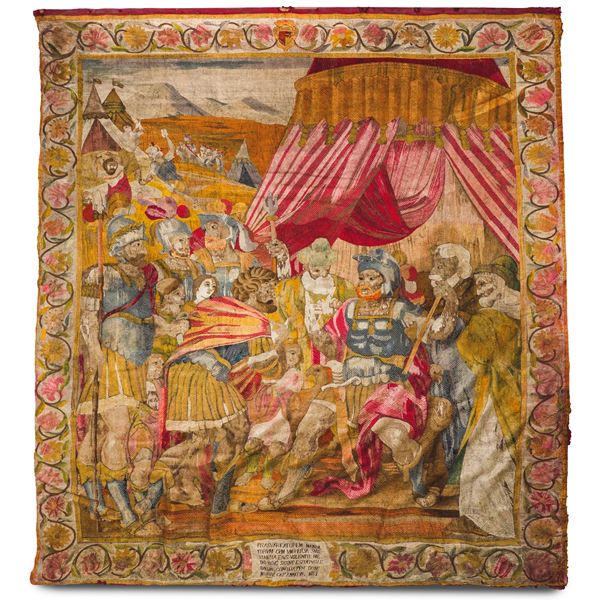
Grande ricamo. Italia, fine XVII secolo
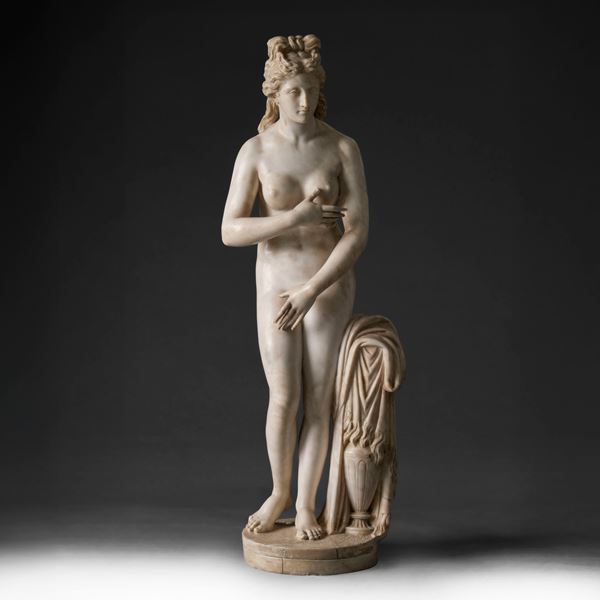
Capitoline Venus. Neoclassical art, Italy, 17/1800s
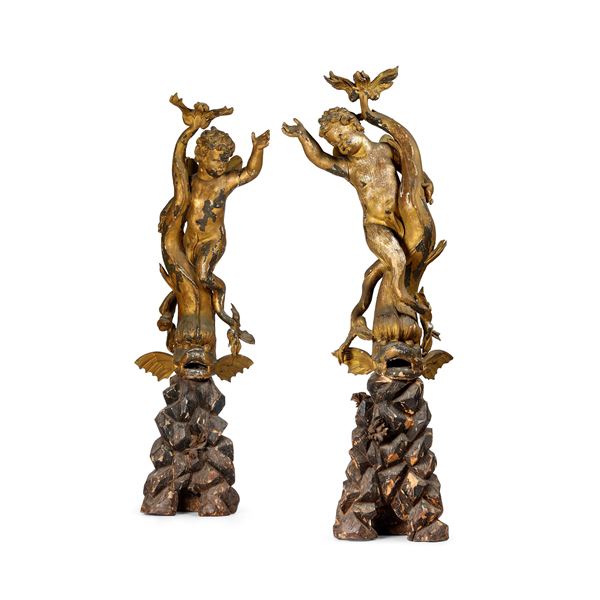
Coppia di putti con tritoni. Arte genovese, inizi XVIII secolo
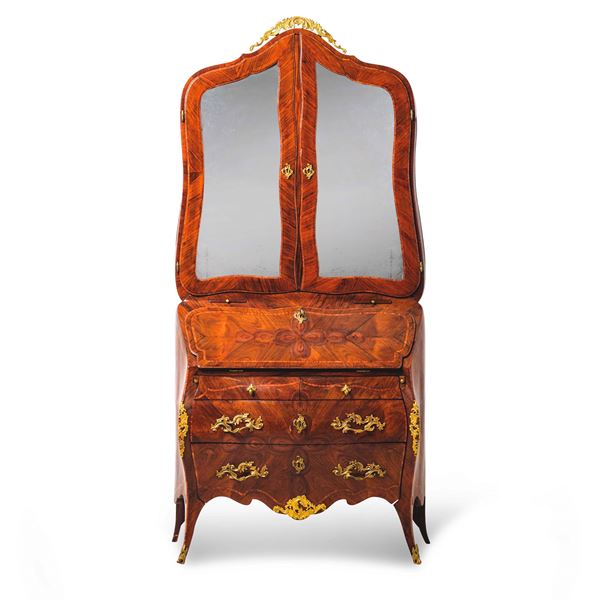
Trumeau lastronato con il motivo del quadrifoglio. Genova, XVIII secolo