49
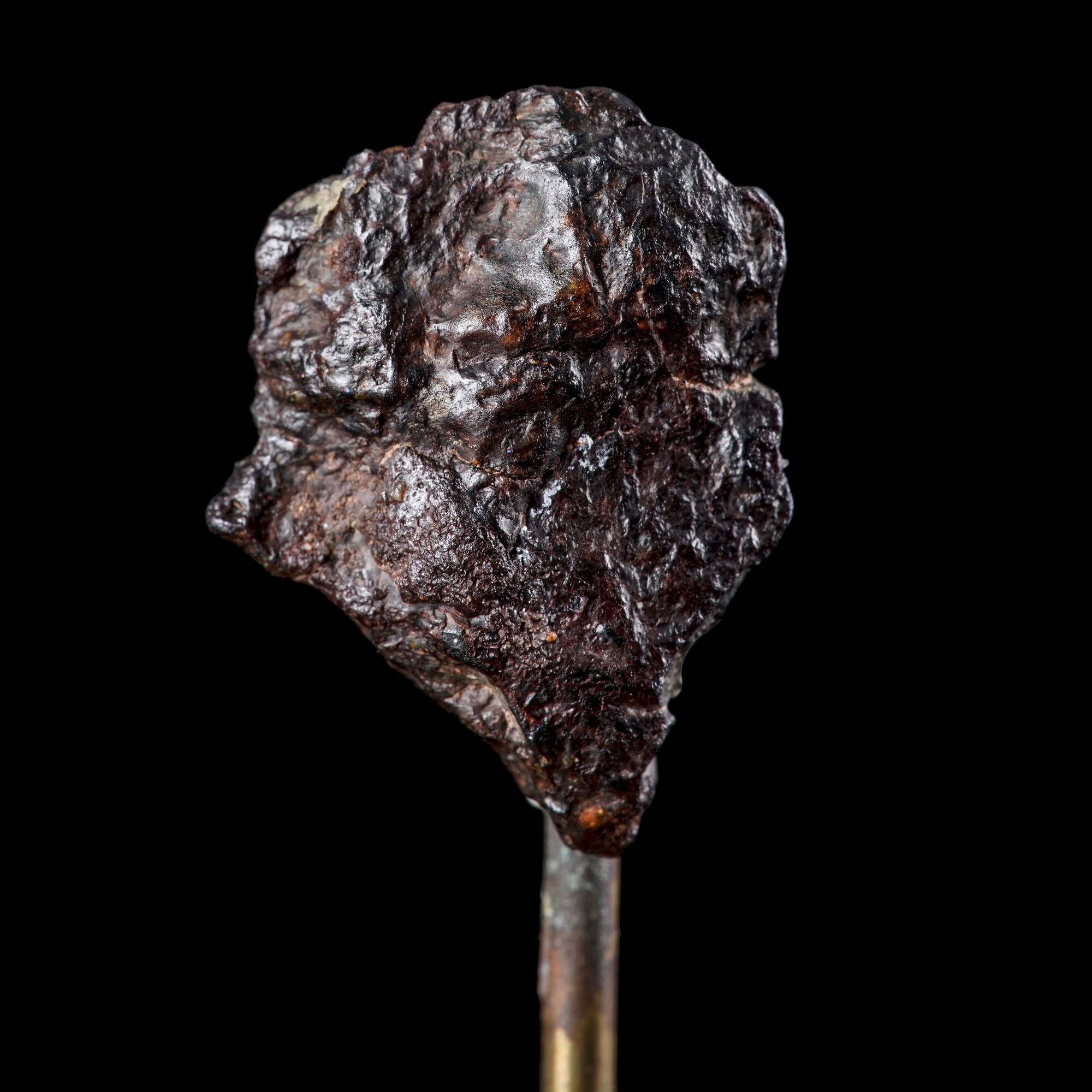
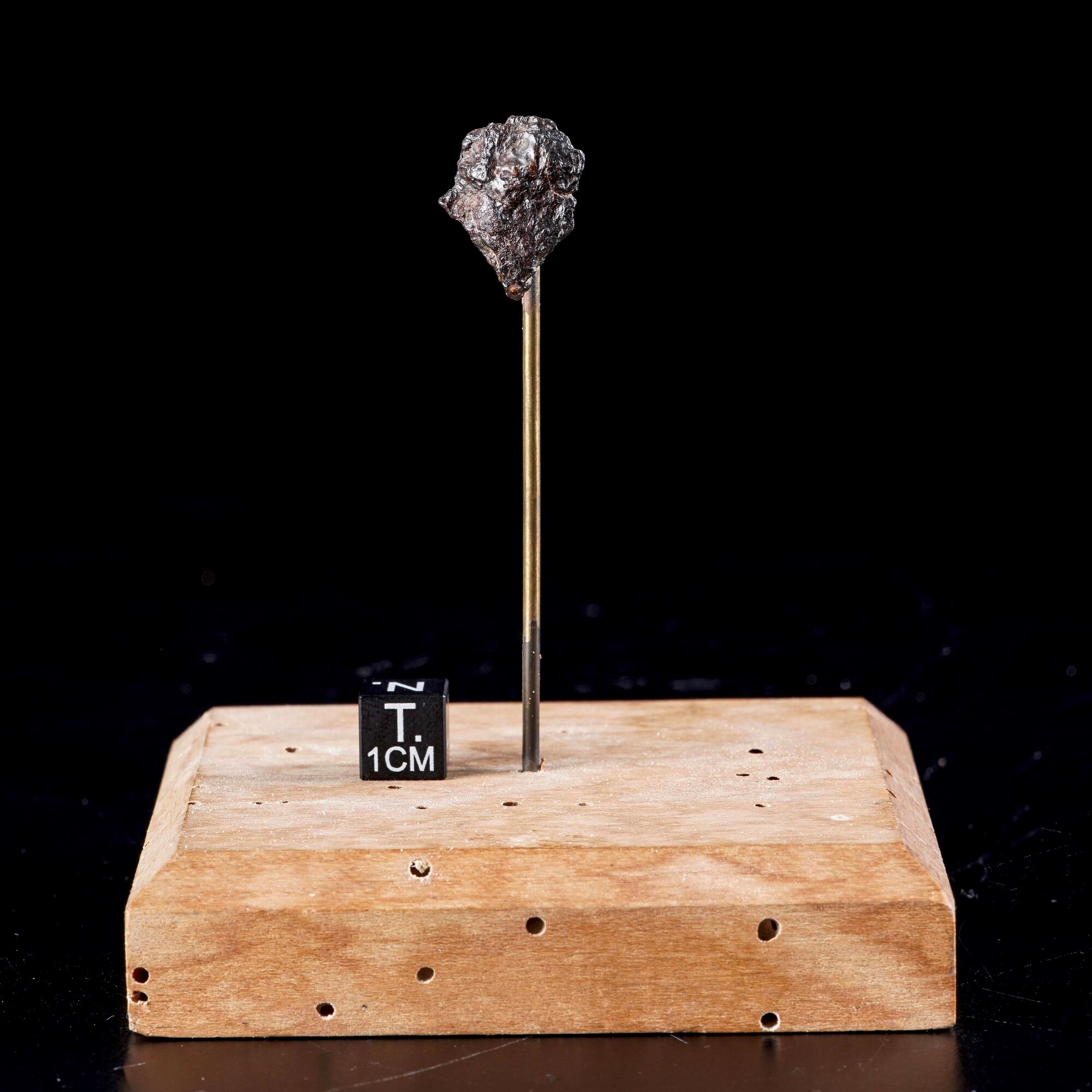
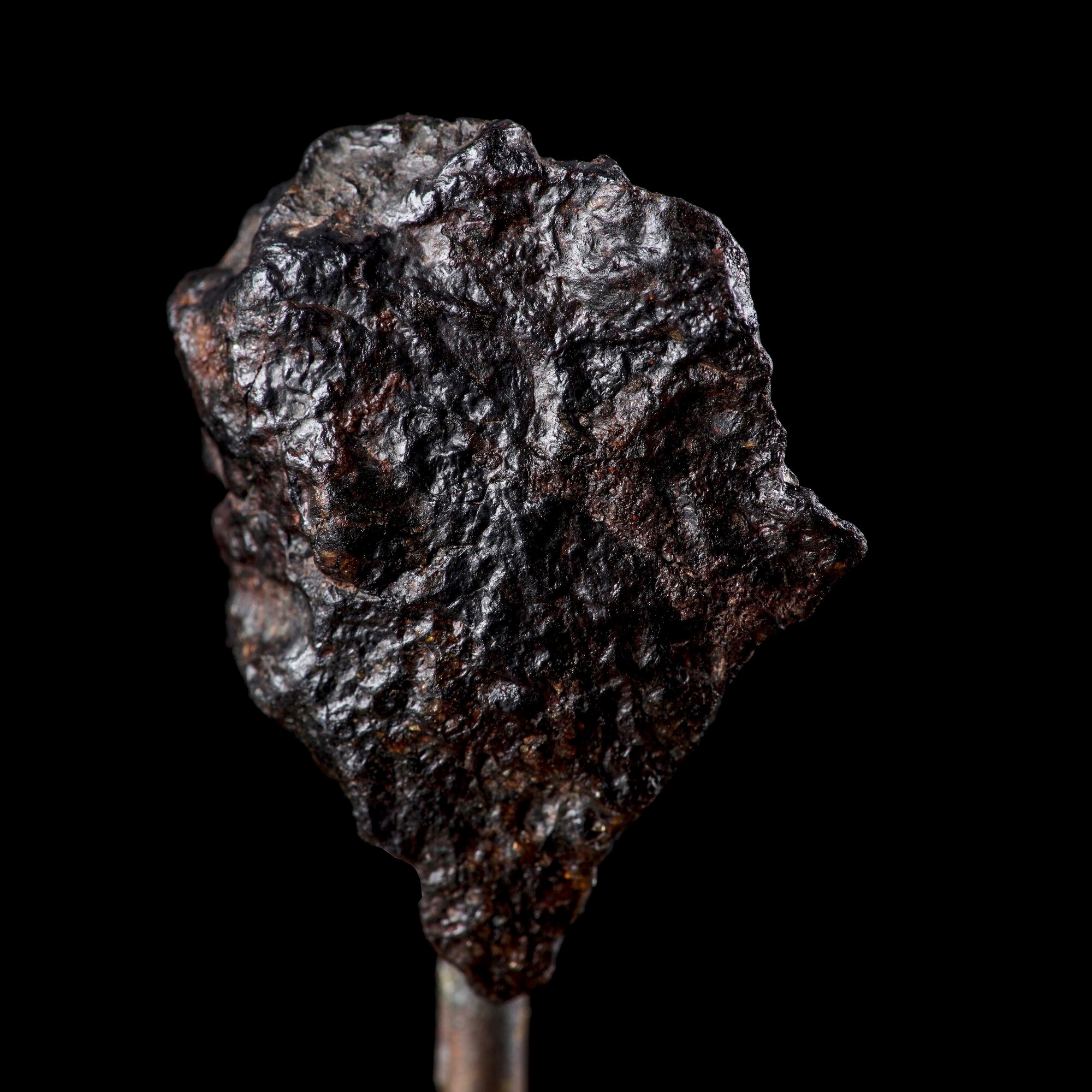
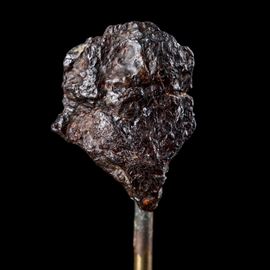
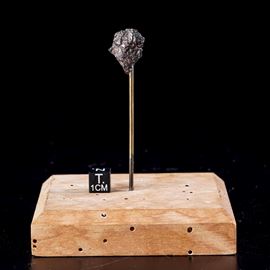
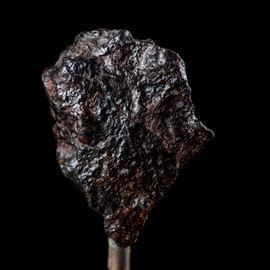
Rare fragment of a palassite meteorite
Time left
17g
13h
17m
36s
13/11/2026 14:48:00
Estimate
€ 200,00 / 400,00
Your bid
The reserve price has not been exceeded
The reserve price has been exceeded
€
Bid history
Set your maximum bid
Description
Rare fragment of a palassite meteorite
gr 2,39
W. 2 - D. 1,3 Cm
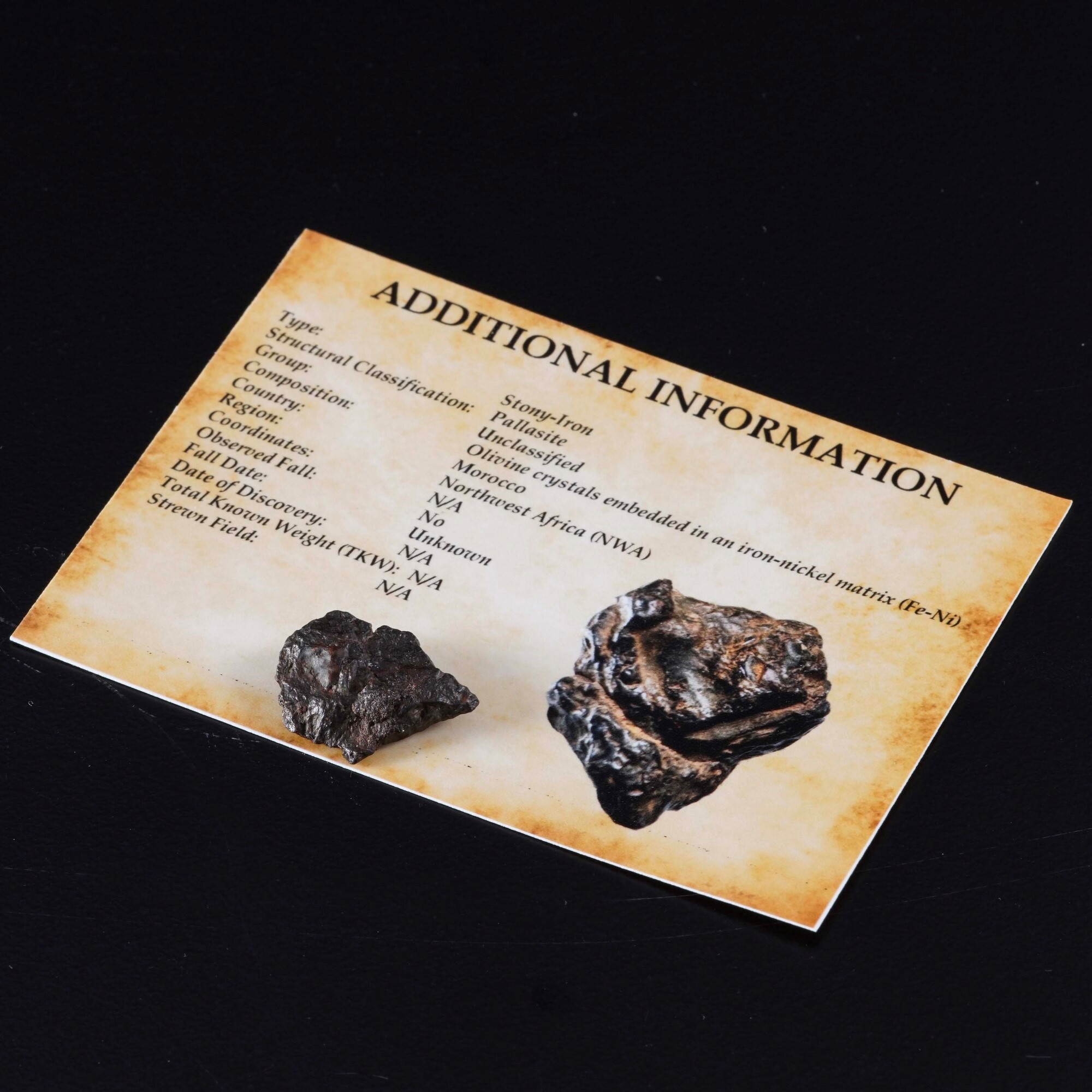
Fe-Ni alloy (kamacite/taenite, cubic system) + olivine (Mg,Fe)₂SiO₄, orthorhombic system — iron-stone meteorite.
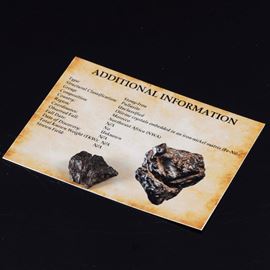
Comes with a certificate of authenticity.
IMCA Certificate #6460
Comes with a certificate of authenticity.
IMCA Certificate #6460
More information
The best-known specimens come from meteorite falls and finds in Krasnoyarsk (Russia—the original pallasite described by Peter Pallas in 1772), Esquel (Argentina), Imilac (Chile), and Seymchan (Russia). This is a rare class of iron-stone meteorites (less than 1% of all finds) consisting of olivine crystals—often gem-quality and amber-green in color—embedded in a continuous metallic iron-nickel matrix. Their origin is generally attributed to the interface between the metallic core and the silicate mantle of a differentiated planetary body (asteroid) that was fragmented by impacts; they formed approximately 4.5 billion years ago, at the dawn of the Solar System. The slow cooling (a few degrees per million years) produces the characteristic Widmanstätten patterns in the metallic matrix, visible after cutting and acid etching. High density (4.5–5.0 g/cm³), strongly magnetic.
It is among the most sought-after materials by collectors and museums due to the rarity and aesthetic appeal of its polished sections, in which the translucent olivine stands out against the metal; gem-quality olivines are sometimes cut into jewelry as “extraterrestrial peridot”; of immense scientific value for the study of planetary differentiation. It requires storage in a dry environment to prevent oxidation of the metal.
It is among the most sought-after materials by collectors and museums due to the rarity and aesthetic appeal of its polished sections, in which the translucent olivine stands out against the metal; gem-quality olivines are sometimes cut into jewelry as “extraterrestrial peridot”; of immense scientific value for the study of planetary differentiation. It requires storage in a dry environment to prevent oxidation of the metal.
Time auction 1251
Historia Naturalis
mon 26 October - fri 13 November 2026
The description sheets do not always indicate the state of conservation of the goods, we invite you to always request the condition report before making your offers
Discover Similar Lots
Numismatics
Lot 1076
CONFEDERAZIONE PERU' BOLIVIA, 1836-1839. Medaglia militare in argento della battaglia di Socabaya, 18 [..]
Historia Naturalis
Lot 18
Pyrophyllite
Numismatics
Lot 1064
ISABEL II, 1833-1868. BOLIVIA. 8 Soles 1834. Potosí. Contromarca YII per la circolazione nelle Filippine [..]
Historia Naturalis
Lot 162
Group of four malachite birds
Numismatics
Lot 690
REGNO D'ITALIA. VITTORIO EMANUELE III DI SAVOIA, 1900-1946. 100 Lire 1905.
Numismatics
Lot 703
REGNO D'ITALIA. VITTORIO EMANUELE III DI SAVOIA, 1900-1946. 20 Lire 1905.
Numismatics
Lot 1550
RAVEGNANI MOROSINI M. Signorie e Principati. Monete italiane con ritratto, 1450-1796.
Numismatics
Lot 1028
CARLOS III, 1759-1788. SPAGNA. 2 reales 1781. Madrid.
Design 200
Lot 62
Gio Ponti
Mobile contenitore
Historia Naturalis
Lot 129