The auction opens with a collection from Emilia-Romagna in which, alongside furniture and paintings dating from the 17th and 18th centuries, a precious group of miniature pieces of furniture stands out. Among them is Lot 76, an 18th-century gilt miniature high chair (estimate: €1,000–1,500).
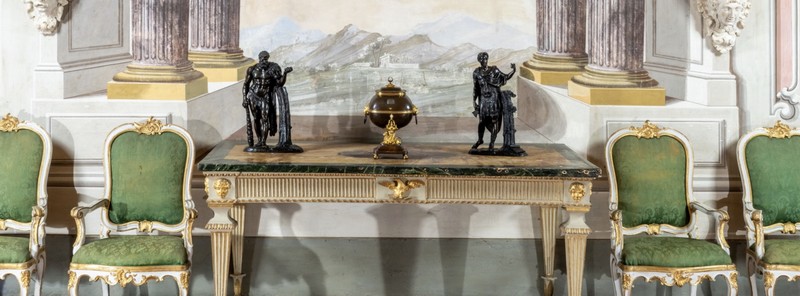
Also of great interest is a group of works from a noble villa in the Florentine hills, where, within richly frescoed reception rooms, one finds consoles, marble busts, Neoclassical bronzes, an elegant gilt centre table (Lot 264, estimate: €3,000–4,000), and a rare late Renaissance support of imposing dimensions later adapted into a billiard table (Lot 225, estimate: €4,000–5,000).
The sale continues with its most important provenance: Palazzo Colonna all’Ara Coeli in Rome. Here we immediately encounter the top lot of the auction: Lot 268, an important Flemish tapestry woven in Brussels around the mid-16th century and bearing the initials “B.B.”. Executed after designs by Pieter Coecke van Aelst and probably woven under the direction of Jan Van der Vyst, the work is offered with an estimate of €180,000–220,000.
Among the furnishings from the palace, Lot 270 stands out: a pair of cassoni attributed to the Italian Renaissance tradition of the Veneto or Emilia region, dating to the 16th century and estimated at €25,000–30,000. Particularly captivating is Lot 276, a rare Roman Baroque night clock dating from the late 17th to early 18th century, estimated at €15,000–18,000.
The section also includes Lot 284, a pair of Roman benches from the mid-18th century, valued at €18,000–22,000, and Lot 292, a monumental Roman ceremonial cabinet from the 19th century, presented with an estimate of €30,000–35,000.
Among the other properties is an important group of Genoese barocchetto furniture; in particular, Lot 338 is a refined veneered trumeau decorated with a quatrefoil motif (estimate: €20,000–30,000).
Finally, noteworthy mention should be made of an important micromosaic of exceptional size depicting St. Peter’s Square (Lot 307), created in Rome during the second half of the 19th century and attributable to the circle of Cesare Roccheggiani, with an estimate of €15,000–20,000. Also featured is Lot 306, a large model of an Egyptian obelisk, likewise Roman, from the iconic production intended for Grand Tour travellers, estimated at €5,000–6,000.
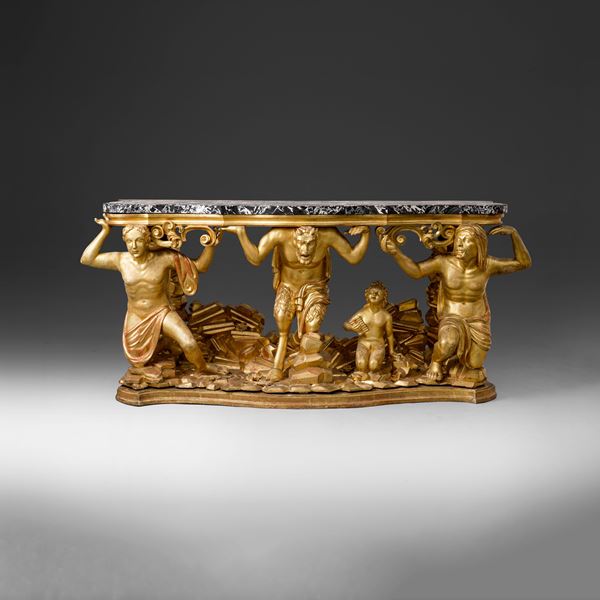
Monumentale mobile da parata. Roma XIX secolo
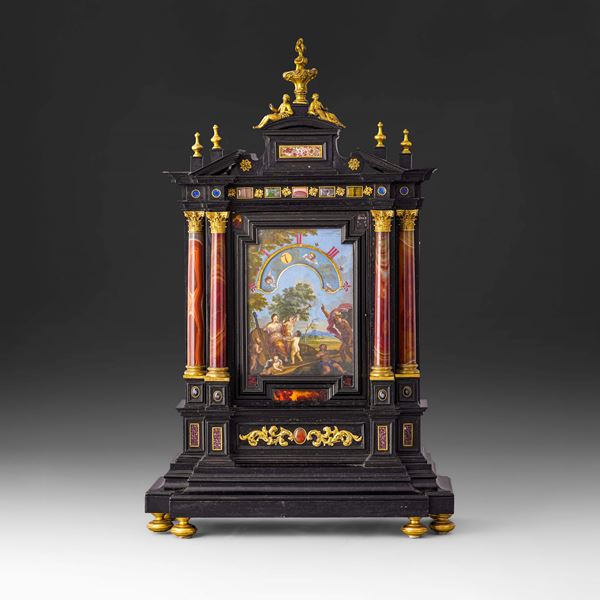
Orologio notturno barocco. Italia centrale (Roma ?) XVII-XVIII secolo
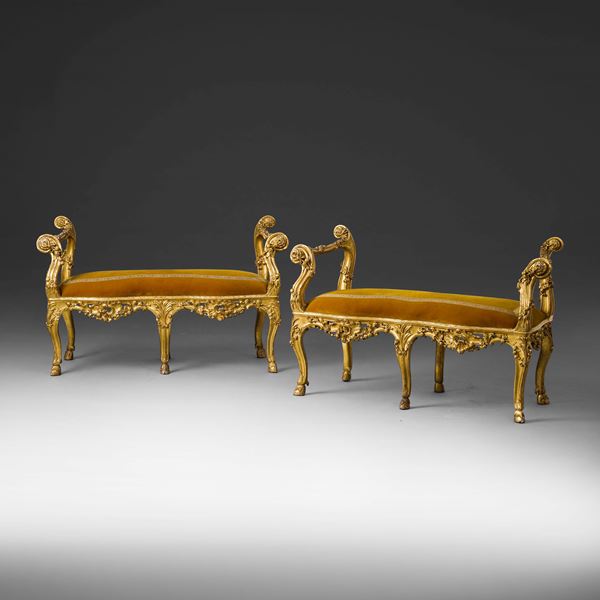
Coppia di panche. Roma metà XVIII secolo
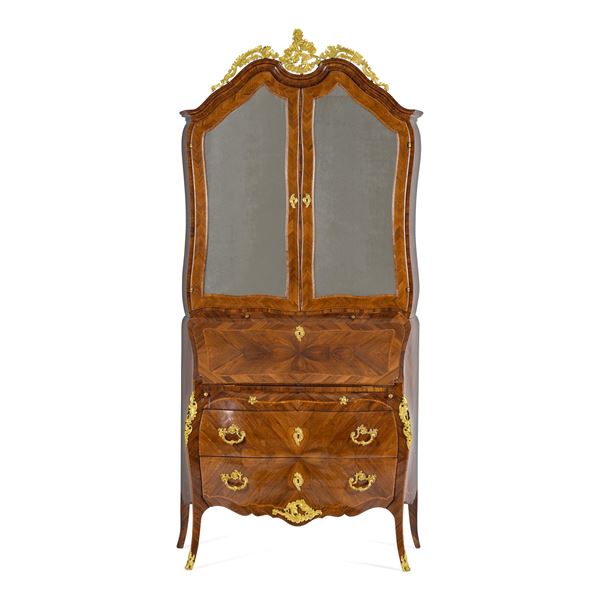
Trumeau lastronato con il motivo del quadrifoglio. Genova, XVIII secolo
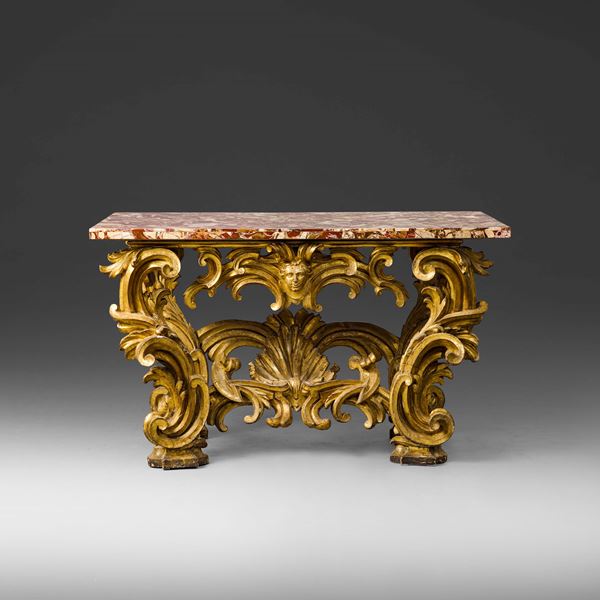
Console barocca in legno intagliato e dorato. Roma XVIII secolo
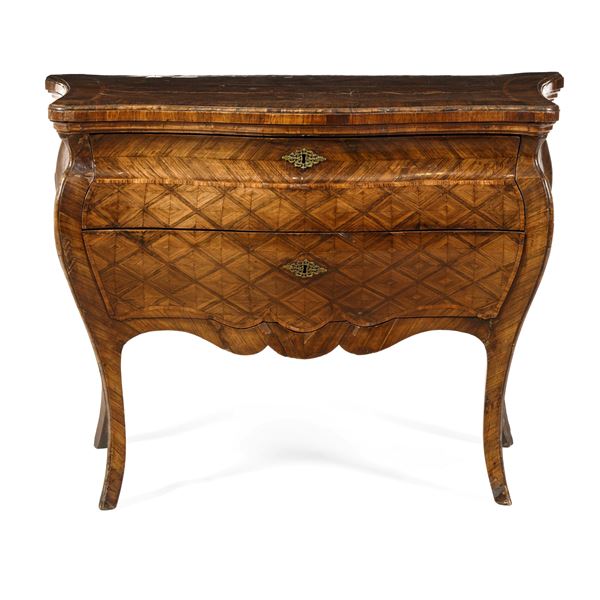
Comò. Roma XVIII secolo
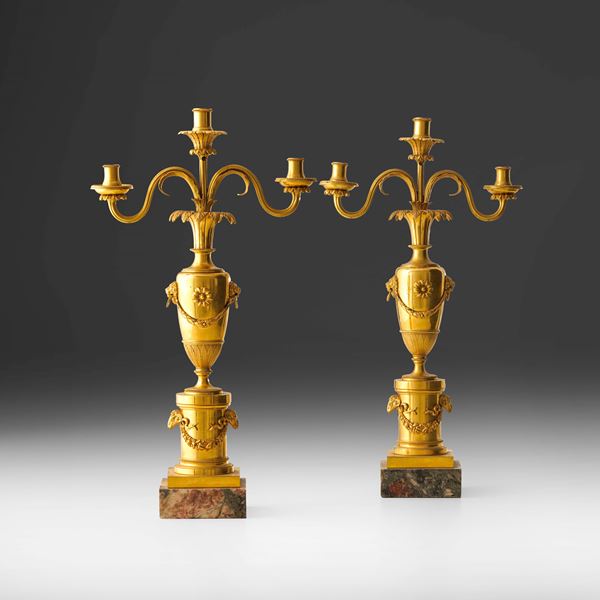
Coppia di candelabri. XVIII-XIX secolo
![Importante micromosaico raffigurante Piazza San Pietro. Manifattura romana, seconda metà del XIX secolo. [..]](https://imageapi.cambiaste.com/api/lotto/immagine/365987/0/600.jpg)
Importante micromosaico raffigurante Piazza San Pietro. Manifattura romana, seconda metà del XIX secolo. [..]
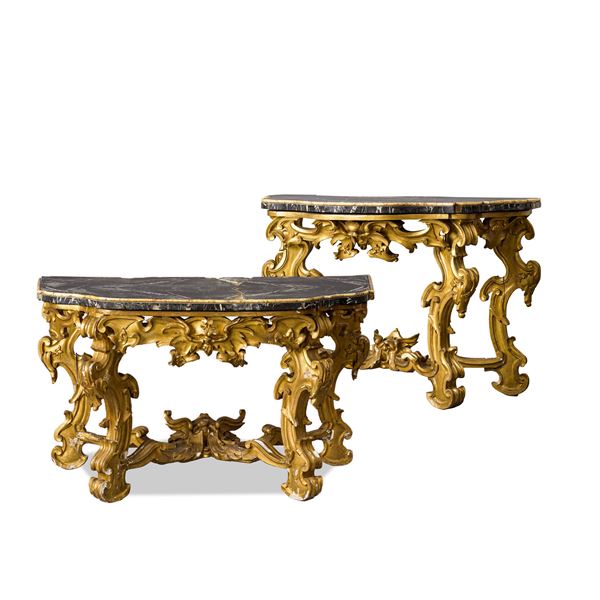
Due consoles. XVII secolo
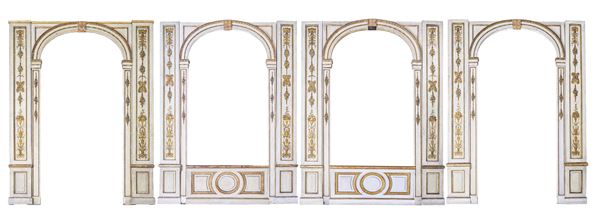
Boiserie di gusto neoclassico. XIX secolo
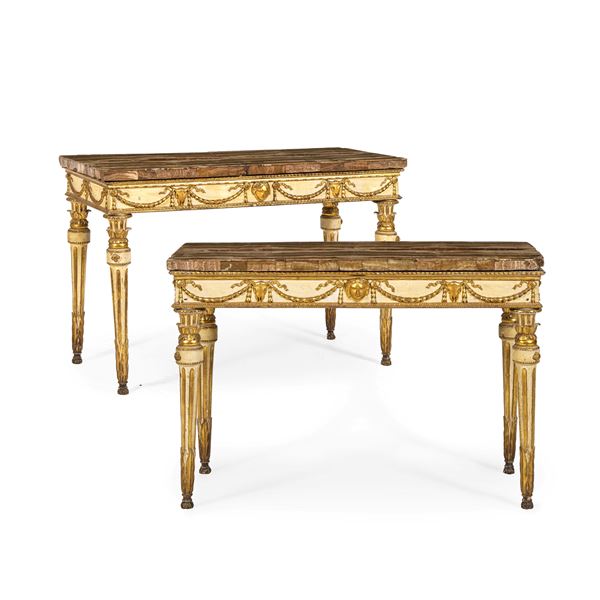
Coppia di consoles neoclassiche. Toscana, XVIII secolo
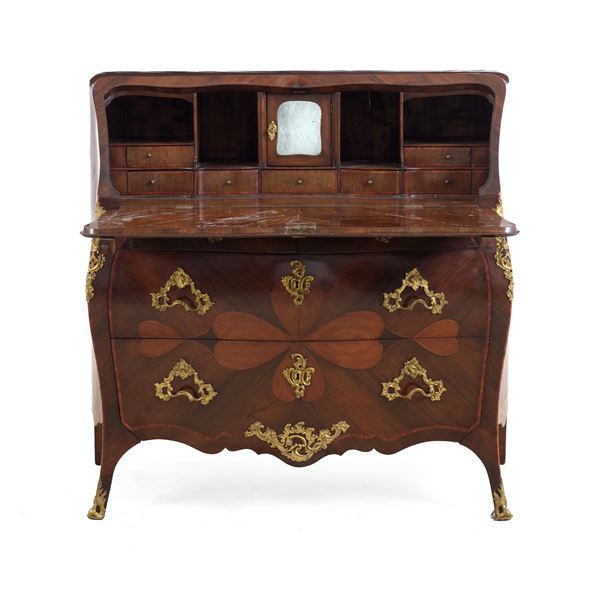
Cassettone a ribalta Luigi XV. Genova, XVIII secolo
Lorenzo Bianchini Massoni