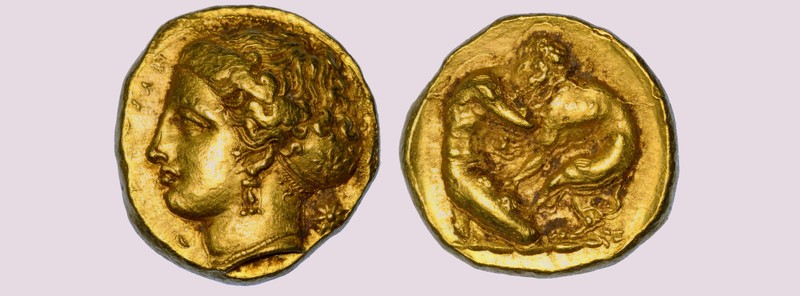
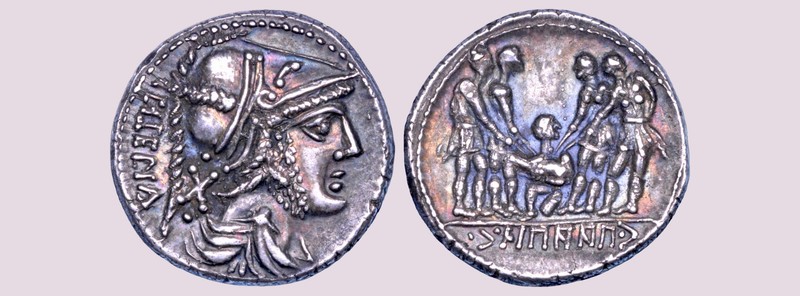
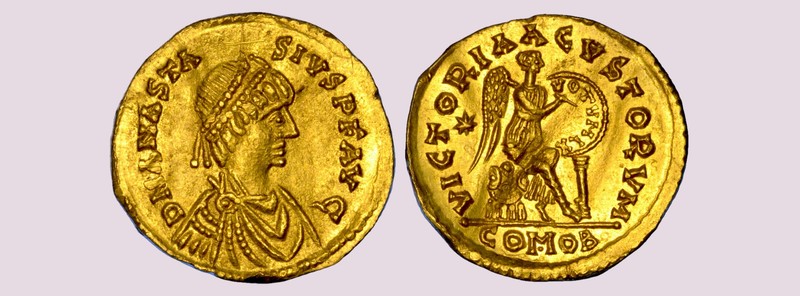
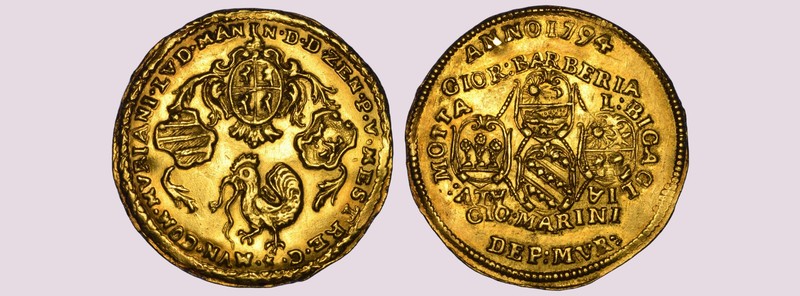
The first session of the auction, covering lots 1–589, is dedicated to ancient (reserved for the Italian market) and medieval coins. It opens with Greek coins (lots 1–43), among which lot 21 stands out: a beautiful double decadrachm or 100 litrae from Syracuse, dating to around 405–400 BC, an example of outstanding artistic quality. This is followed by an old collection of Roman Republican coins (lots 44–220) and coins from the late Roman Republic and Empire (lots 221–328), including lot 221, a denarius of the Bellum Sociale struck by C. Paapius around 90 BC. The sections continue with Byzantine coins (lots 329–343) and a fine selection of Ostrogothic gold coins (lots 344–363), where lot 347 emerges: a semissis of Theodoric in the name of Anastasius I, minted in Rome between 493 and 518. This session concludes with the first part of the Dott. Emilio Donizetti Collection dedicated to Italian mints and the House of Savoy (lots 363–589).
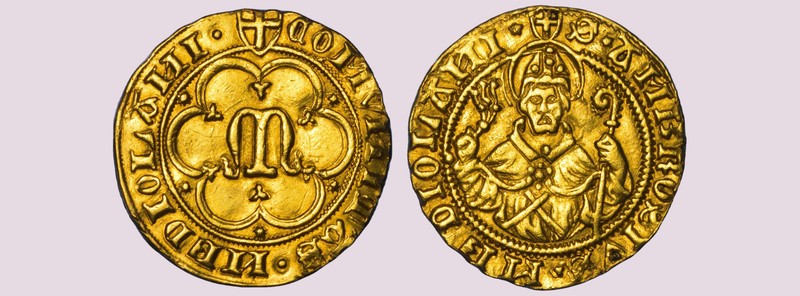
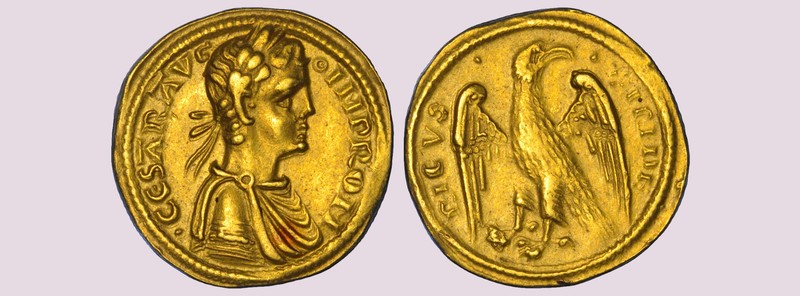
The second session, from lot 590 to 1219, is distinguished by the geographical and chronological breadth of the coins on offer. Of particular note is the collection of Milanese coins (lots 590–811), including lot 695, a very rare gold ambrosino from the Ambrosian Republic (1447–1450), a testimony to a crucial moment in Milanese history marking the transition from the Visconti to the Sforza era. This is followed by coins from Italian mints (lots 812–859), featuring lot 813, a half augustale of Frederick II of Swabia minted in Brindisi after 1231, and coins of the Papal States (lots 860–897).
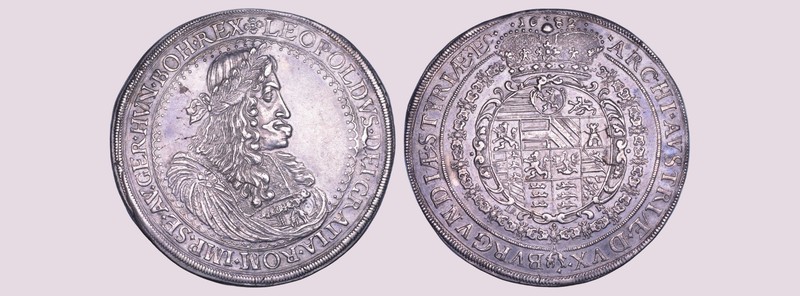
The section dedicated to the House of Savoy and the Italian Republic (lots 898–941) introduces the transition toward international areas, including the second part of the Donizetti Collection focused on coins of the Holy Roman Empire and German states (lots 942–1030), where lot 987 stands out: an imposing Breiter Doppeltaler of Leopold I minted in Graz in 1682. Also of interest are Eastern imitations of the Venetian ducat and zecchino (lots 1031–1045), coins of the Knights Hospitaller of Rhodes and Malta (lots 1046–1063), an old collection of Latin American issues (lots 1064–1125), and foreign coins (lots 1126–1219), including lot 1167, a double mohur of 1835 of William IV for British India, struck in Calcutta by the East India Company.
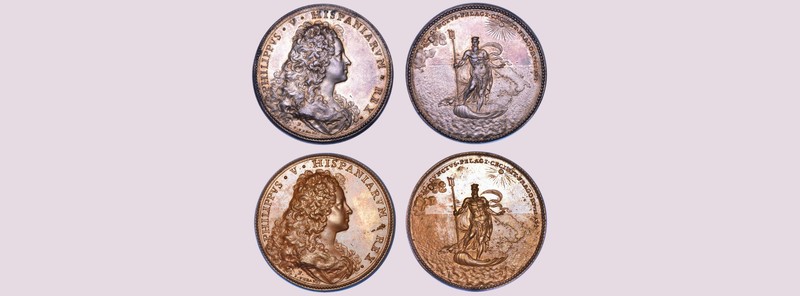
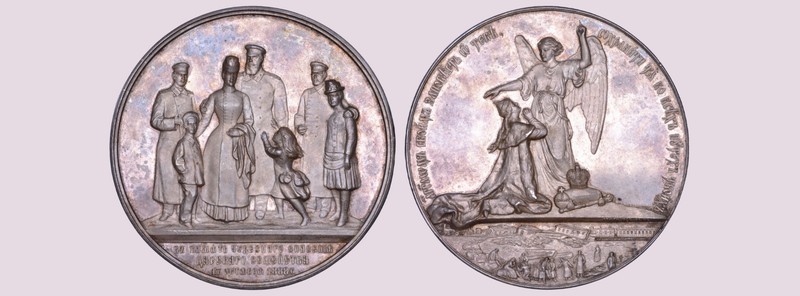
The third session of the auction, from lot 1220 to 1700, is entirely dedicated to medals and represents an important chapter for collectors in the field. It opens with Napoleonic medals (lots 1220–1233) and continues with Italian medals (lots 1234–1239), including lot 1234, the exceptional silver and bronze diptych of 1701 of Philip V of Spain, commemorating the pacification of the Two Sicilies. This is followed by medals of the House of Savoy and the Italian Republic (lots 1240–1270) and foreign medals (lots 1271–1289), where lot 1281 stands out: an imposing Russian medal of 1888, produced under Alexander III and dedicated to the miraculous survival of the imperial family during the train derailment at Borki.
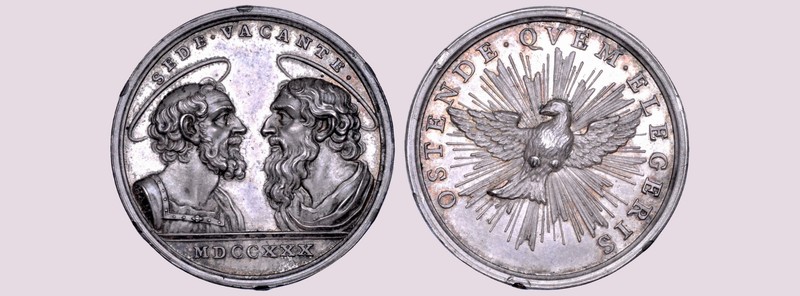
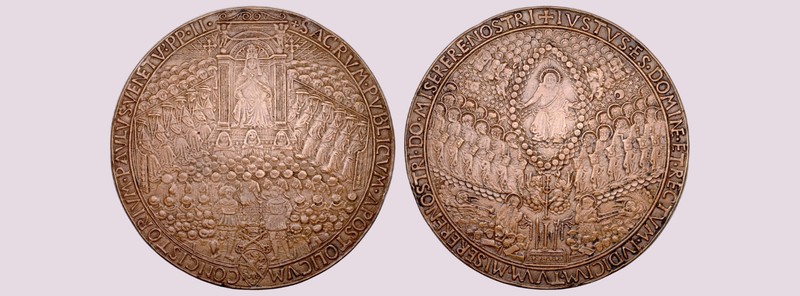
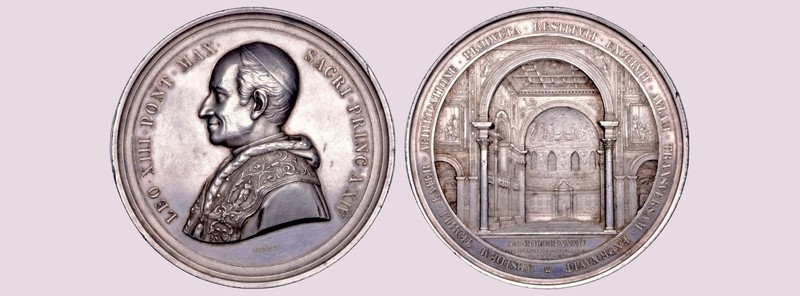
The sale culminates with the third part of the highly successful “Medals & Popes” collection (lots 1290–1700), which includes important testimonies of papal history, among them the significant section dedicated to Papal Interregnums, where lot 1301 stands out, relating to the very rare 1730 issue, followed by papal emissions, including lot 1682, a large silver medal of Leo XIII from 1891, commemorating the new apse of the Lateran Basilica.
![INDIA BRITANNICA. WILLIAM IV, 1830-1837. Doppio Mohur 1835. Calcutta. Emissione della Compagnia delle [..]](https://imageapi.cambiaste.com/api/lotto/immagine/353920/0/600.jpg)
INDIA BRITANNICA. WILLIAM IV, 1830-1837. Doppio Mohur 1835. Calcutta. Emissione della Compagnia delle [..]
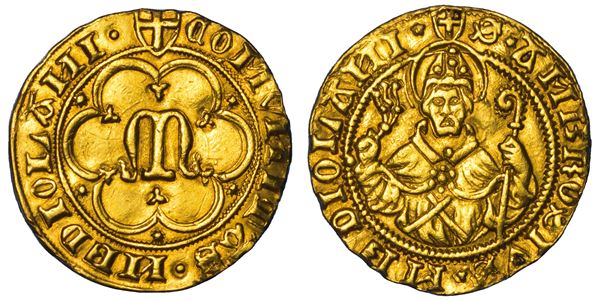
MILANO. REPUBBLICA AMBROSIANA (o SECONDA REPUBBLICA), 1447-1450. Ambrosino d’oro o fiorino.
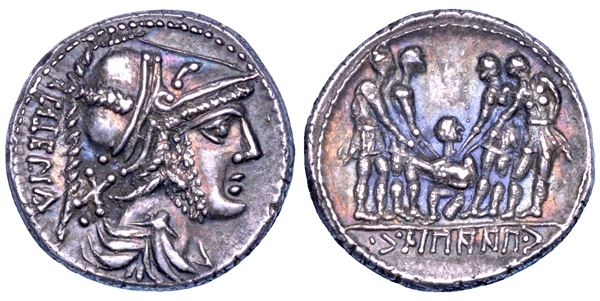
BELLUM SOCIALE. Denario, zecca in movimento con C. Paapius (in Campania?) circa 90 a. C.
![RUSSIA. ALESSANDRO III, 1881-1894. Medaglia in argento 1888. Miracoloso salvataggio della famiglia reale [..]](https://imageapi.cambiaste.com/api/lotto/immagine/355373/0/600.jpg)
RUSSIA. ALESSANDRO III, 1881-1894. Medaglia in argento 1888. Miracoloso salvataggio della famiglia reale [..]
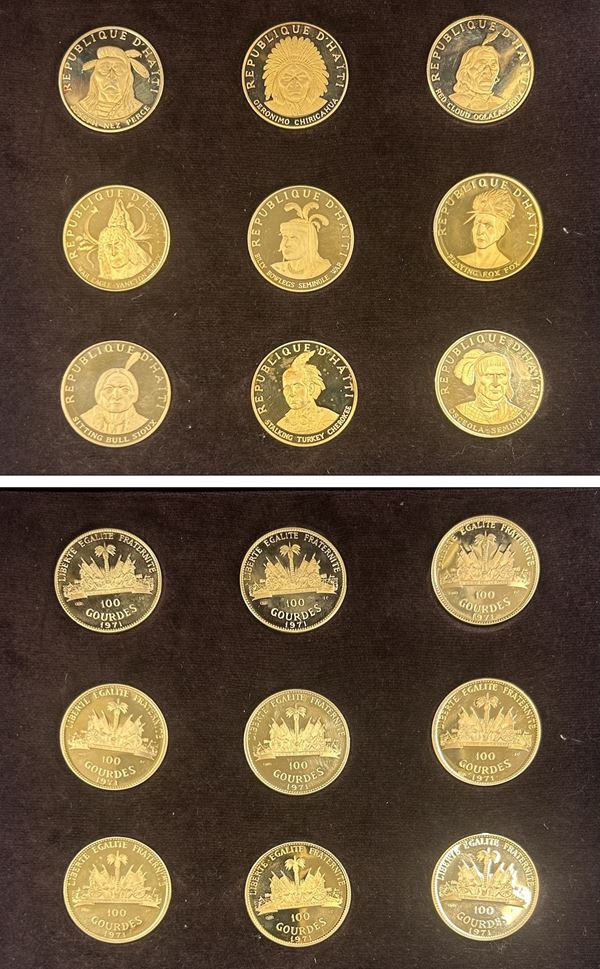
HAITI. Lotto di nove monete.
![NAPOLI. FILIPPO V DI SPAGNA, 1701-1707. Dittico di medaglie in argento e bronzo del 1701. Pacificazione [..]](https://imageapi.cambiaste.com/api/lotto/immagine/362586/0/600.jpg)
NAPOLI. FILIPPO V DI SPAGNA, 1701-1707. Dittico di medaglie in argento e bronzo del 1701. Pacificazione [..]
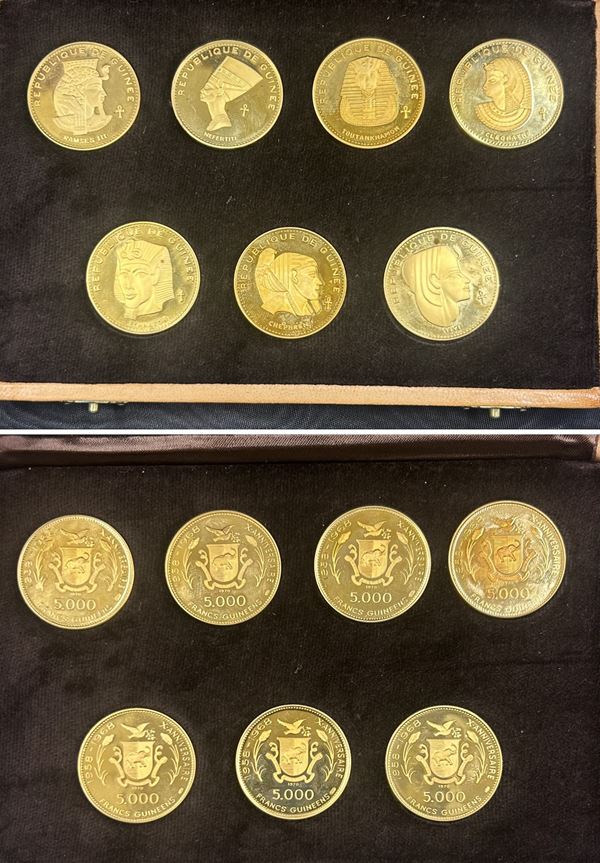
GUINEA. Lotto di sette monete.
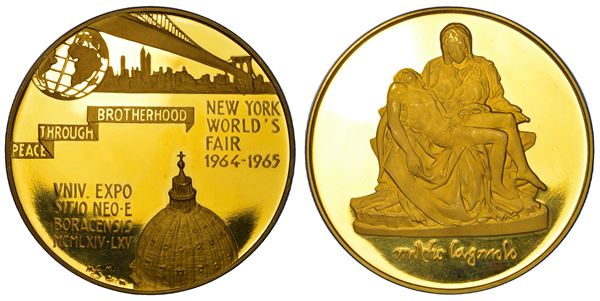
VARIE - REPUBBLICA ITALIANA. NEW YORK’S WORLD FAIR. Medaglia in oro 1964-1965.
![MILANO. GIAN GALEAZZO MARIA SFORZA - REGGENZA DI LUDOVICO MARIA SFORZA, 1480-1494. Grosso da 5 soldi. [..]](https://imageapi.cambiaste.com/api/lotto/immagine/361653/0/600.jpg)
MILANO. GIAN GALEAZZO MARIA SFORZA - REGGENZA DI LUDOVICO MARIA SFORZA, 1480-1494. Grosso da 5 soldi. [..]
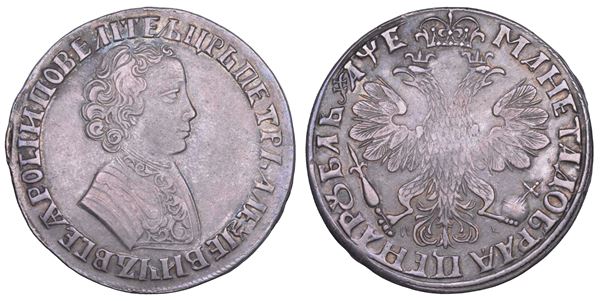
RUSSIA. PETR I, 1682-1725. Rublo 1705.
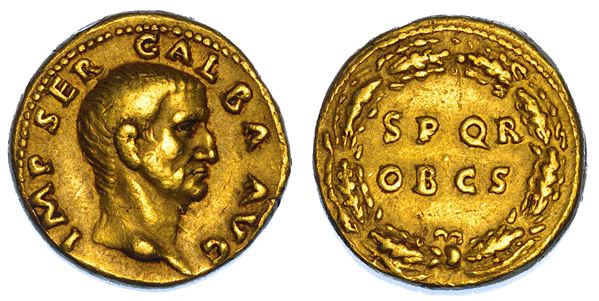
GALBA, 68-69. Aureo. Roma.
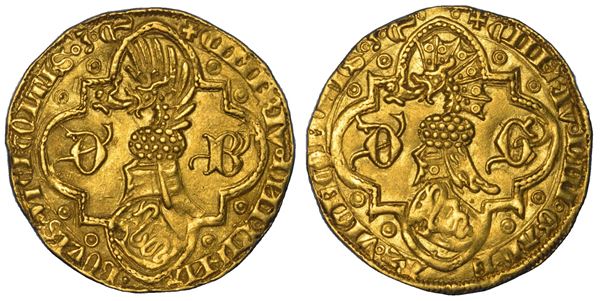
MILANO. BERNABO' E GALEAZZO II VISCONTI, 1354-1378 Fiorino.


Luca Alagna


Alessandro Mappa