Ecco la traduzione in inglese con un tono adatto a un comunicato stampa internazionale di casa d'aste:
The top lot of the sale is Musical Banquet by Pietro Paolini (lot 174), a monumental oil on canvas estimated at €100,000–150,000. Published in the Zeri Photo Archive (record no. 55863) as attributed to the artist, the painting represents a significant addition to the catalogue of the Lucchese master. Trained in Rome under Angelo Caroselli and deeply influenced by Caravaggesque naturalism, Paolini developed a pictorial language distinguished by narrative sophistication and a constant use of moral and symbolic references. The work presents an exceptionally elaborate composition in which figures and iconographic details guide the viewer towards a reflection on the fragility of power and the transience of human existence. The canvas is also the pendant to the celebrated Musical Banquet preserved at the Fondazione Cassa di Risparmio di Lucca and exhibited in the exhibition Painters of Light: from Caravaggio to Paolini, held in Lucca in 2021–2022.
Among the highlights of the sale are also Carlo Bossoli’s evocative Views of Istanbul (lot 223), estimated at €60,000–70,000. These works demonstrate the Ticinese painter’s extraordinary ability to capture the exotic charm and luminous atmosphere of the cities of the Eastern Mediterranean through a style that is both meticulously detailed and highly evocative.
Also featured is the refined View of Piazza del Popolo, Rome by Jacob van Lint (lot 216), estimated at €45,000–50,000. The painting depicts one of the most celebrated vistas of the Papal capital, rendered with the topographical precision and theatrical flair that established the Flemish artist as one of the leading protagonists of the eighteenth-century Grand Tour.
Among the oldest works in the catalogue is the Madonna and Child by Jan Gossaert, known as Mabuse (lot 109), estimated at €35,000–45,000. The painting exemplifies the excellence of early sixteenth-century Flemish art and the exceptional technical mastery of one of the foremost figures of the Northern Renaissance.
Of particular interest is Rinaldo and Armida by Luca Giordano (lot 154), estimated at €30,000–40,000. Drawn from one of the most celebrated episodes of Torquato Tasso’s Jerusalem Delivered, the painting depicts the moment of intense emotional surrender between the Crusader hero and the enchantress Armida. The composition highlights the brilliant colouring, rapid execution and theatrical expression of sentiment that are among the most distinctive features of the Neapolitan master's oeuvre.
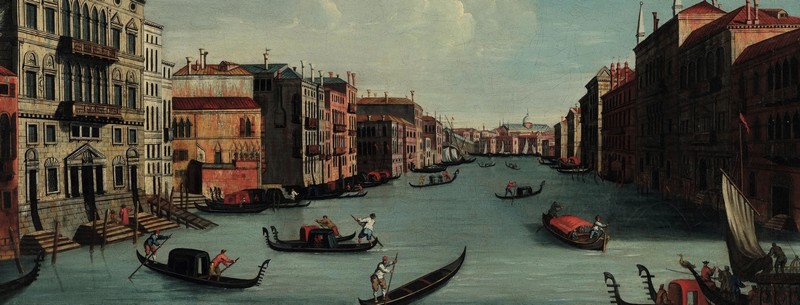
Representing the Venetian veduta tradition are two works by Francesco Tironi: View of the Grand Canal, Venice (lot 210), estimated at €35,000–40,000, and View of Piazza San Marco, Venice (lot 209), estimated at €25,000–30,000. Both paintings testify to the popularity of Venetian views during the eighteenth century and to the artist’s ability to combine descriptive precision with remarkable atmospheric quality.
Among the biblical subjects, special mention should be made of Adam and Eve Lamenting over the Body of Abel by Bernardo Cavallino (lot 160), estimated at €25,000–35,000. The painting is a significant example of the poetic sensitivity and emotional intensity that characterize the artistic language of the Neapolitan master.
Also noteworthy is the Allegory of Fertility, attributed to a Tuscan artist active in the late sixteenth century (lot 130), a monumental Mannerist composition distinguished by the elegance of its figures, the refinement of its draperies and its complex symbolic structure. Shells, turtles and snails contribute to an elaborate allegorical programme associated with fertility, continuity of life and prosperity, suggesting a commission intended for a particularly cultivated aristocratic patron.
Completing the selection is a precious Madonna and Child with Saint Anne and Saint John the Baptist by Benvenuto Tisi, known as Garofalo (lot 111), in which the influences of Giorgione and Dosso Dossi are clearly evident. The purity of form, compositional balance and almost enamel-like brilliance of the palette testify to the full maturity of the Ferrarese master and to his central role in the artistic culture of the Italian Renaissance.
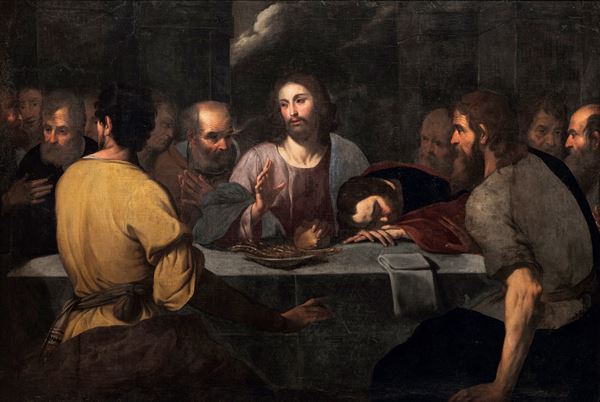
Andrea Vaccaro
Ultima Cena
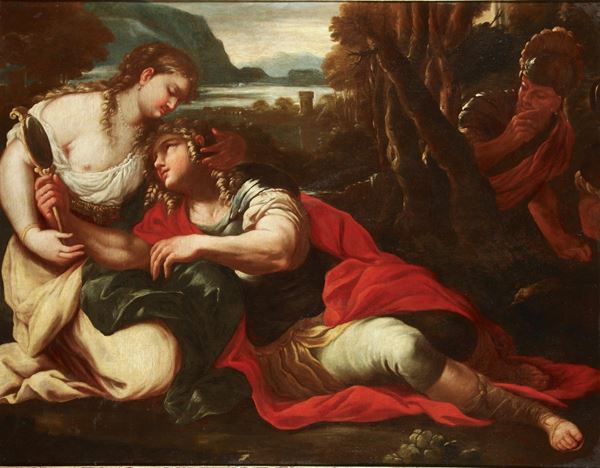
Luca Giordano
Rinaldo e Armida
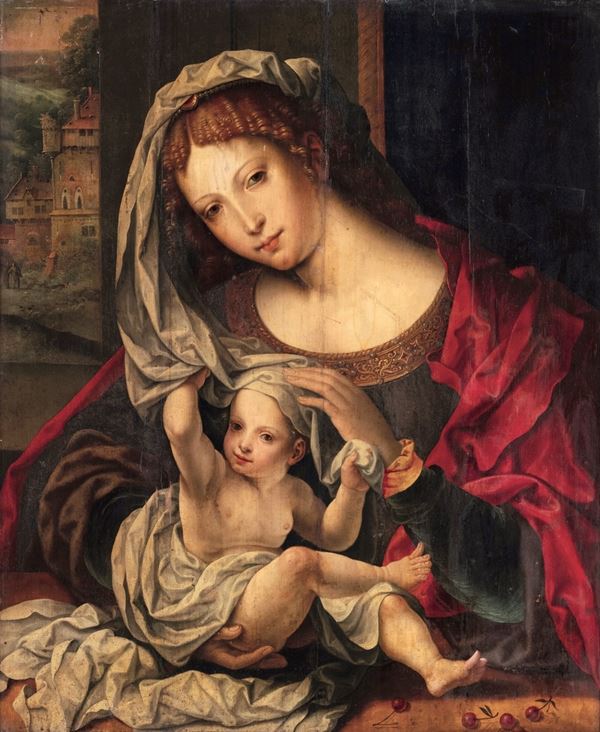
Jan Gossaert detto il Mabuse
Madonna col Bambino
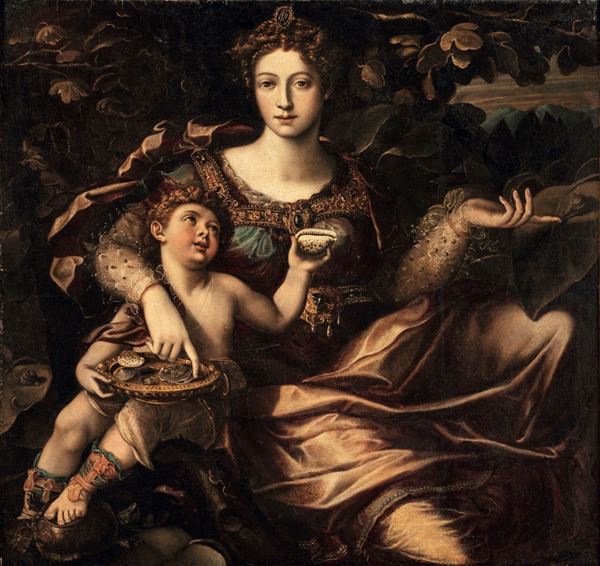
Artista toscano della fine del XVI secolo Allegoria della Feritilità
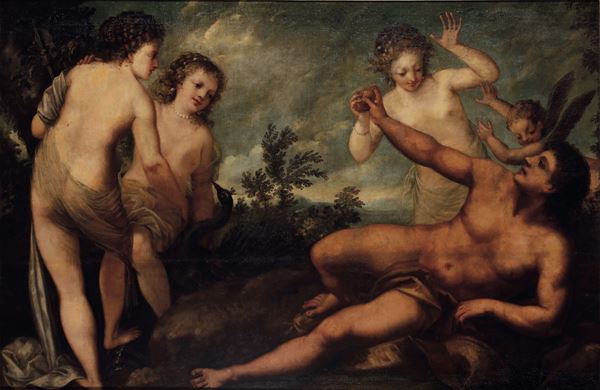
Pietro Liberi
Giudizio di Paride
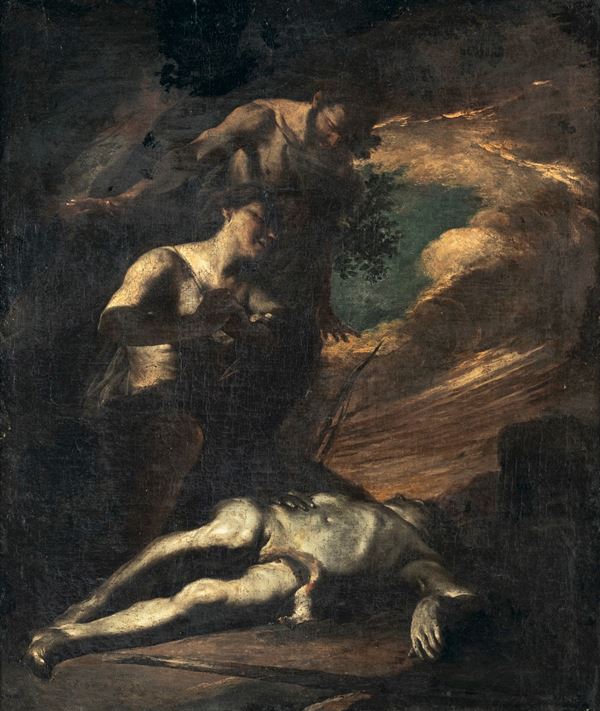
Bernardo Cavallino
Lamento di Adamo ed Eva sul corpo di Abele
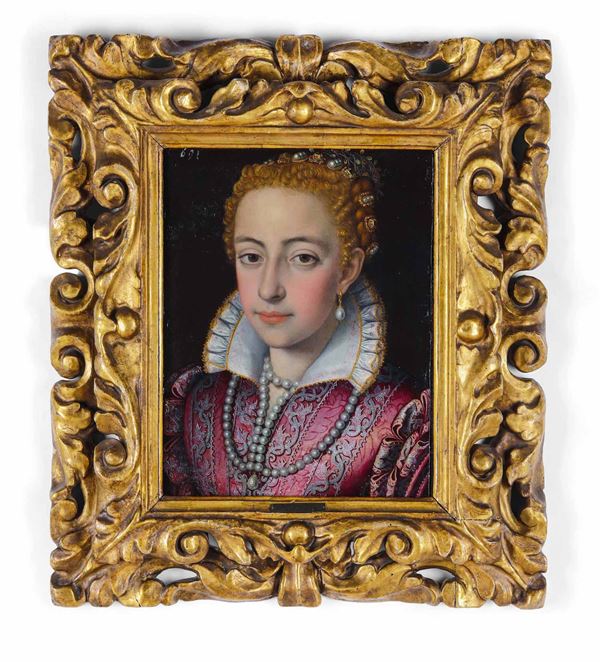
Alessandro Allori
Ritratto di gentildonna
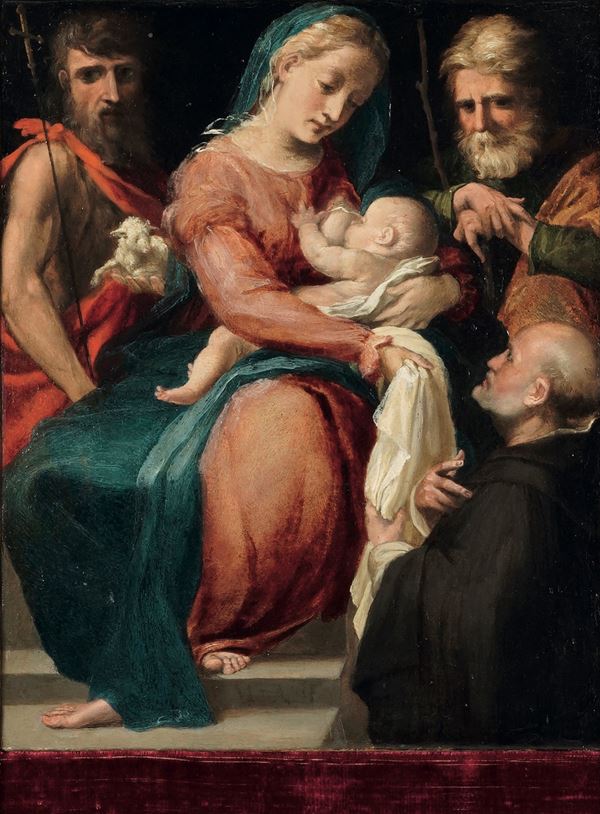
Michelangelo Anselmi
Sacra Famiglia con San Giovanni Battista e Santo Domenicano
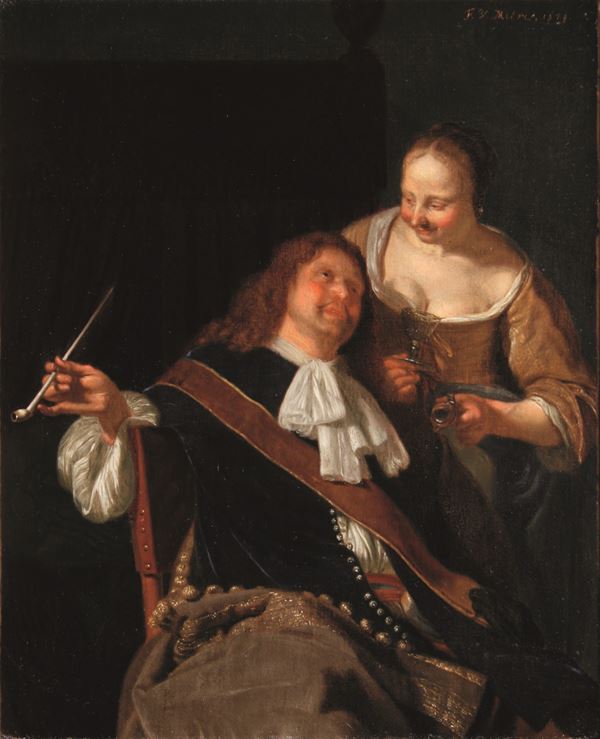
Jan van Mieris
Scena galante
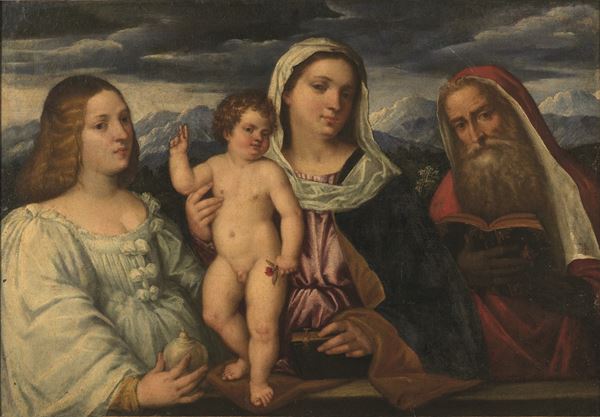
Giovanni Busi detto il Cariani
Madonna con Bambino, Maria Maddalena e San Gerolamo
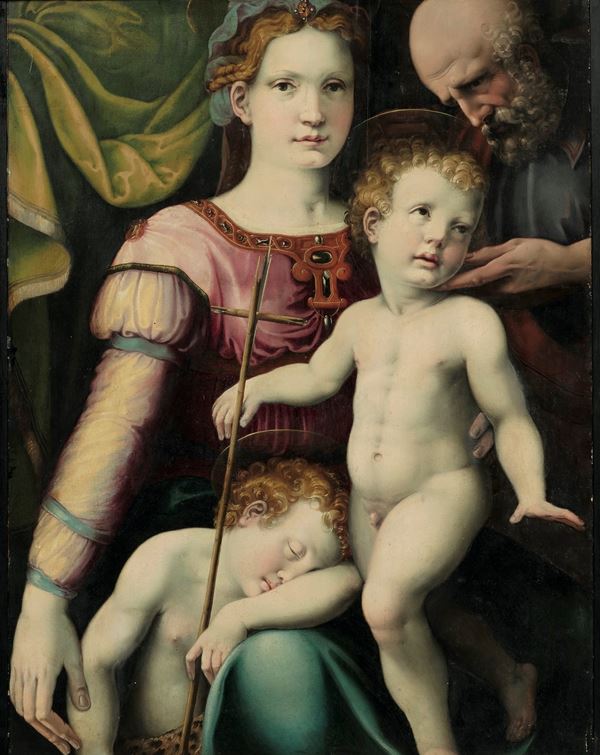
Carlo Portelli
Sacra famiglia con San Giovannino
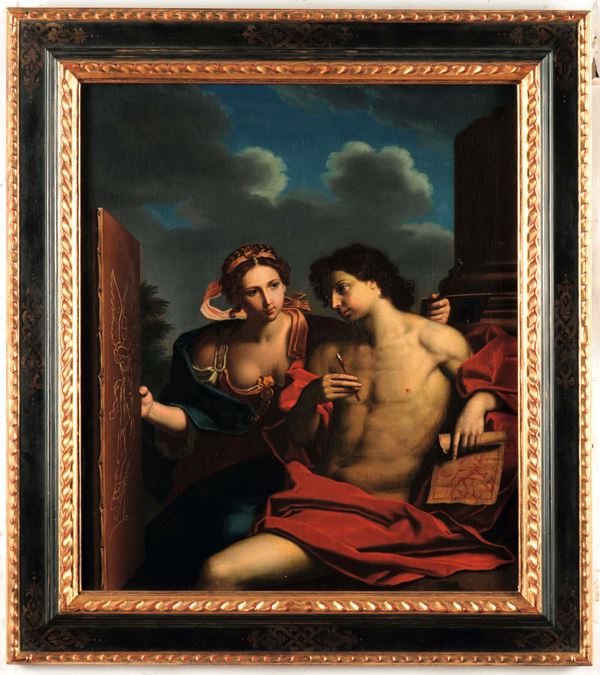
Michele Desubleo detto Michele Fiammingo
Allegoria della pittura