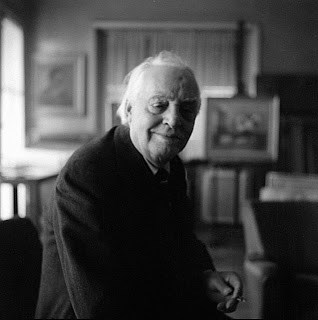
Evaluation Carlo Carrà
Carlo Carrà Valuations - Want to sell a Carlo Carrà piece? Request a complimentary and confidential valuation!Cambi Casa d'Aste will review your submission and offer a free-of-charge estimate, if your item is suitable for our auctions.
biography
Carlo Dalmazio Carrà was born on February 11, 1881, in Quargnento, Alessandria province, into a family of artisans. From a young age, he showed a strong interest in art, beginning his career as a mural decorator. In 1906, he enrolled at the Brera Academy in Milan, where he was influenced by painter Cesare Tallone and befriended key Futurist figures such as Umberto Boccioni. In 1910, Carrà joined the Futurist movement, signing the Futurist Painters' Manifesto alongside Filippo Tommaso Marinetti and others, actively contributing with articles and artworks that expressed the dynamism and modernity of the movement.
Throughout his career, Carrà experimented with various artistic styles, moving from Divisionism to Futurism, then approaching Metaphysical art, with some of his most famous works including "The Oval of Apparitions" (1918). In the 1920s, his style evolved towards a revival of Italian classicism, embracing the Novecento movement and the return to order, characterized by a more orderly and objective language.
Besides painting, Carrà was also an art critic and writer, collaborating with magazines such as "Valori Plastici." From 1939, he taught at the Brera Academy of Fine Arts in Milan, influencing generations of artists. He died in Milan on April 13, 1966, leaving a fundamental artistic legacy in 20th-century Italian art. His works are frequently featured in auctions by Cambi Casa d'Aste, which highlights his artistic and cultural contributions.
Throughout his career, Carrà experimented with various artistic styles, moving from Divisionism to Futurism, then approaching Metaphysical art, with some of his most famous works including "The Oval of Apparitions" (1918). In the 1920s, his style evolved towards a revival of Italian classicism, embracing the Novecento movement and the return to order, characterized by a more orderly and objective language.
Besides painting, Carrà was also an art critic and writer, collaborating with magazines such as "Valori Plastici." From 1939, he taught at the Brera Academy of Fine Arts in Milan, influencing generations of artists. He died in Milan on April 13, 1966, leaving a fundamental artistic legacy in 20th-century Italian art. His works are frequently featured in auctions by Cambi Casa d'Aste, which highlights his artistic and cultural contributions.
Past lots of Carlo Carrà

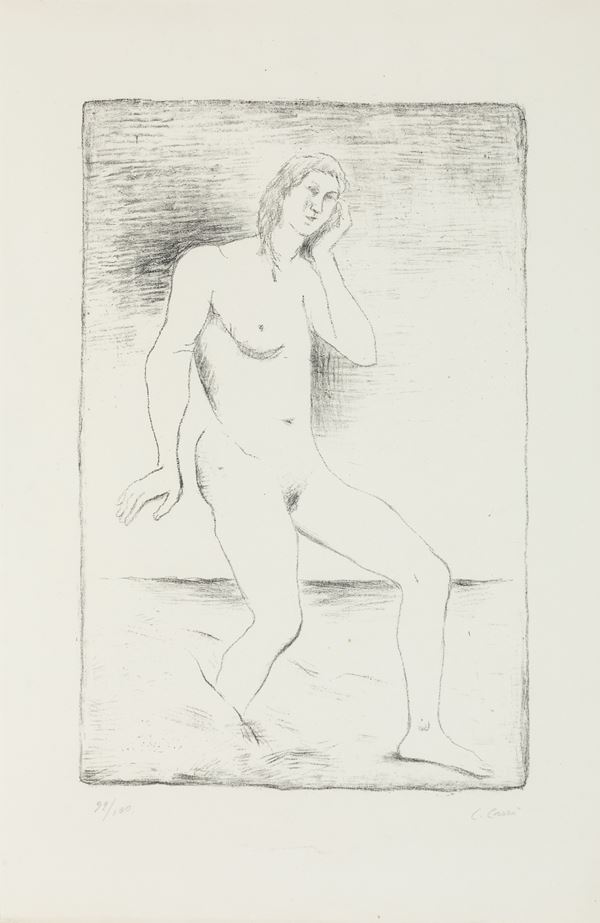
Carlo Carrà©
(Quargnento (AL), 1881 - Milano, 1966)
Chiesa in laguna
Firmato e datato in basso a sinistra Timbro al retro della Galleria del Milione, Milano Olio su tela Largh. 50 - Alt. 40 [..]
Sold
Carlo Carrà©
(Quargnento (AL), 1881 - Milano, 1966)
Forte del Marmi
signed and dated lower left oil on canvas W. 50 - H. 40 cm
Sold
Carlo Carrà©
(Quargnento (AL), 1881 - Milano, 1966)
Senza titolo
firmato e datato in basso a sinistra Timbri al retro della Galleria d'arte La Barcaccia, Roma Timbro al retro della Galleria [..]
Sold
Carlo Carrà©
(Quargnento (AL), 1881 - Milano, 1966)
Paesaggio
firmato e datato in basso a sinistra pastello su cartoncino Largh. 39 - Alt. 27 Cm
Sold
Carlo Carrà©
(Quargnento (AL), 1881 - Milano, 1966)
Donna seduta
Firmata e datata in basso a sinistra Matita grassa su carta Largh. 15,4 - Alt. 28,2 Cm
Sold
Carlo Carrà©
(Quargnento (AL), 1881 - Milano, 1966)
La Galleria di Milano
es. 28/60 firmato in basso a destra, numerato in basso a sinistra litografia Largh. 38,5 - Alt. 50 Cm
Sold
Carlo Carrà©
(Quargnento (AL), 1881 - Milano, 1966)
Paesaggio del lago
es. XII/XV firmata in basso a destra, numerata in basso a sinistra litografia acquerellata Largh. 32 - Alt. 50 Cm
Sold
Carlo Carrà©
(Quargnento (AL), 1881 - Milano, 1966)
L'amante dell'ingegnere
es. 13/60 firmato in basso a destra, numerato in basso a sinistra litografia Cm 40X45
Sold
Carlo Carrà©
(Quargnento (AL), 1881 - Milano, 1966)
Gentiluomo ubriaco
es. 28/60 firmato in basso a destra, numerato in basso a sinistra litografia Largh. 39 - Alt. 50 Cm
Sold
Carlo Carrà©
(Quargnento (AL), 1881 - Milano, 1966)
Donne al mare
es. 12/60 firmato in basso a destra, numerato in basso a sinistra litografia Largh. 68 - Alt. 45 Cm
Sold
Carlo Carrà©
(Quargnento (AL), 1881 - Milano, 1966)
Il cancello
es. 6/100 firmato in basso a destra, numerato in basso a sinistra litografia Largh. 65 - Alt. 46 cm
Sold
Carlo Carrà©
(Quargnento (AL), 1881 - Milano, 1966)
Donna con libro
es. 68/100 firmato in basso a destra, numerato in basso a sinistra litografia Largh. 50 - Alt. 65 Cm
Sold
Carlo Carrà©
(Quargnento (AL), 1881 - Milano, 1966)
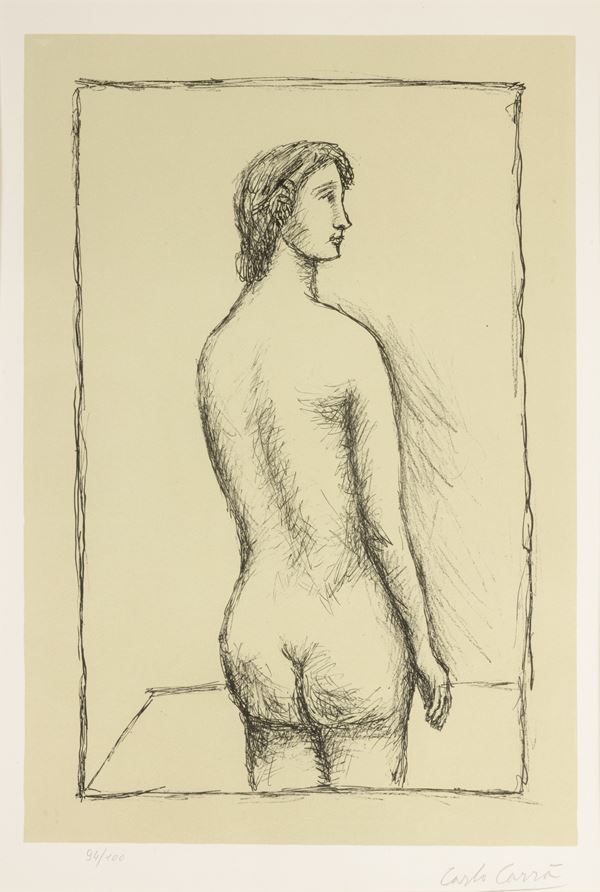
Nudo di schiena
es. 94/100 firmato in basso a destra, numerato in basso a sinistra litografia Largh. 40 - Alt. 55 cm
Carlo Carrà©
(Quargnento (AL), 1881 - Milano, 1966)
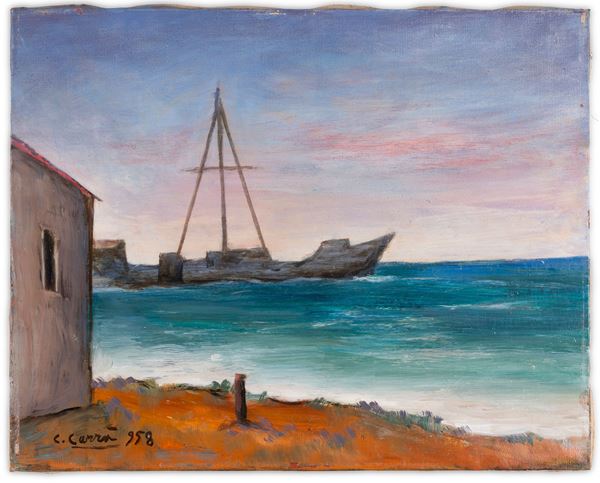
Seascape
signed and dated lower left signed and authenticated on the reverse label and stamp on the reverse from Galleria La Maggiolina, [..]
Carlo Carrà©
(Quargnento (AL), 1881 - Milano, 1966)
Bagnante
es. 92/100 firmato in basso a destra, numerato in basso a sinistra litografia Largh. 35 - Alt. 50 Cm
Carlo Carrà©
(Quargnento (AL), 1881 - Milano, 1966)
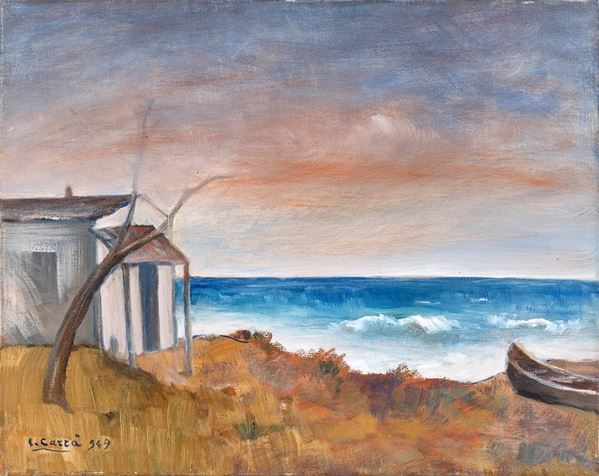
Casa sul mare
firmato e datato in basso a sinistra olio su tela cm 50X39
Carlo Carrà©
(Quargnento (AL), 1881 - Milano, 1966)
White horse
es. 51/100 firmata in basso a destra, numerata in basso a sinistra Tratta dalla cartella "Segreti", Edizioni della Colomba, [..]