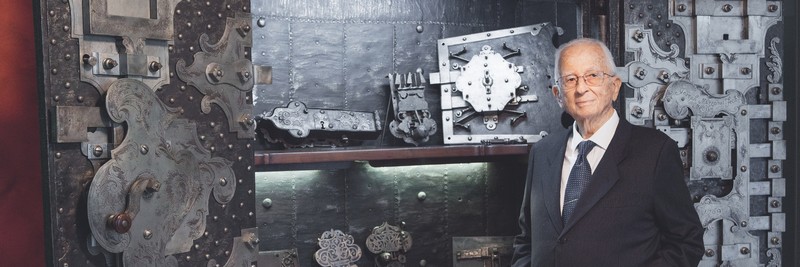
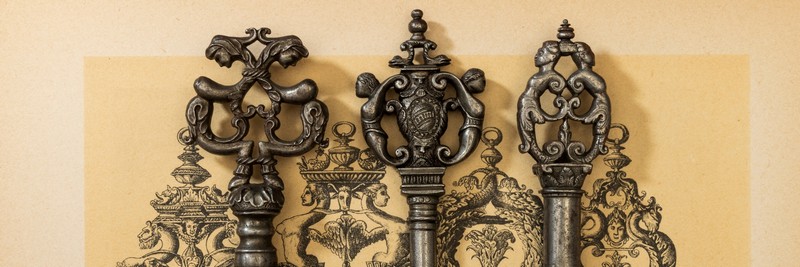
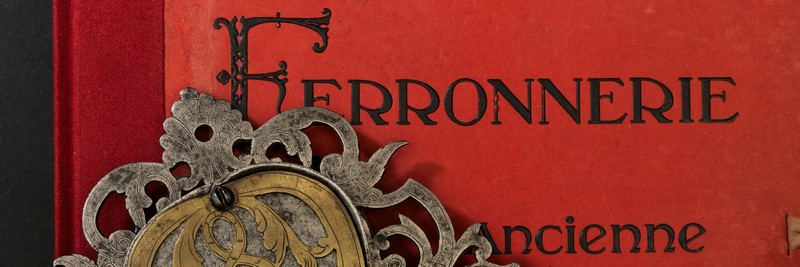
The origin of the collection dates back to the 1970s, when Leopoldo Conforti, an entrepreneur at the head of the family company specializing in the production of safes and security systems, came across an antique key that sparked his interest. That first purchase marked the beginning of a journey destined to grow into a collection of international significance. The family’s industrial activity—grounded in mechanical innovation, precision engineering, and a culture of security—provided the ideal foundation for exploring the historical roots of the lock and its mechanisms, in a continuous dialogue between contemporary technical knowledge and traditional craftsmanship.
Over the decades, the collection expanded according to a rigorous typological and chronological criterion, developed through systematic study and supported by one of the most comprehensive specialist libraries in the field. The collector’s interest was not limited to the rarity or antiquity of the objects, but focused on their formal quality, mechanical complexity, and the elegance of their decorative solutions. The result is a harmonious ensemble capable of illustrating the mastery of locksmiths and the central role these artisans played in the urban and economic history of Europe.
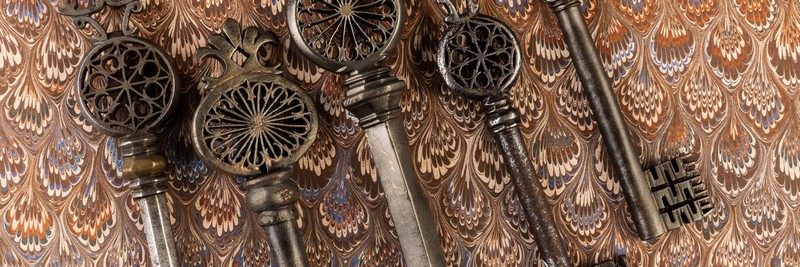
From the essential forms of the Early Middle Ages—characterized by slender shafts and simple handles—the key underwent, from the fourteenth century onward, a progressive technical and stylistic evolution that transformed it from a purely functional object into a genuine artistic expression. Between the Gothic, Renaissance, and Baroque periods, mechanical ingenuity merged with an increasing decorative refinement, producing works of remarkable plastic imagination and virtuoso craftsmanship.
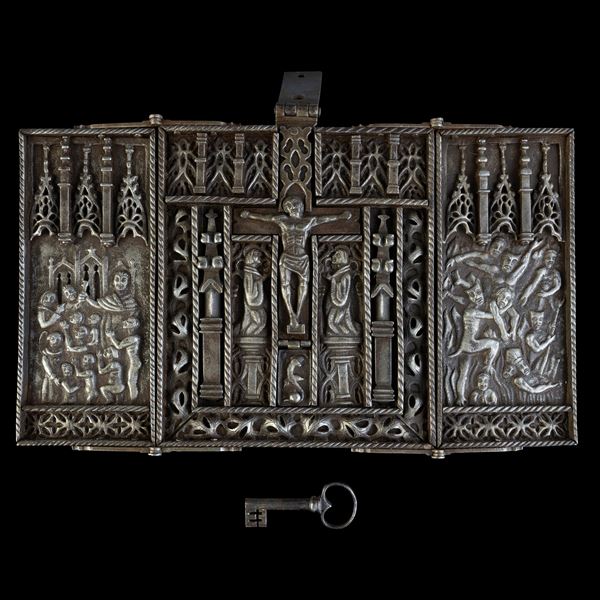
The auction itinerary thus unfolds through a selection of works of the highest level that document, from the Middle Ages to the nineteenth century, the technical and aesthetic evolution of European ironwork. Among the top lots stands an important two-door safe in forged and engraved iron signed by Giuseppe Mazzoni, Milan, dated 1769—a remarkable synthesis of engineering and decoration—alongside a rare Renaissance iron strongbox, Germany, 16th century, featuring an extraordinary multi-bolt locking mechanism. Also of great importance is a small gilt-brass jewel casket signed by Michael Mann of Nuremberg (c. 1589–1630), a precious example of mechanical miniaturization.
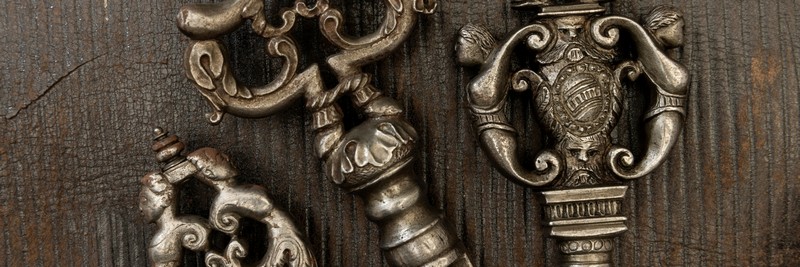
The section devoted to keys includes true masterpieces, such as a lantern key in forged iron (France, 17th century), a precious Venetian key of Doge Loredan, and a rare key of the Legion of Honour—emblematic testimonies to the transformation of the key from a simple functional object into a refined exercise in sculptural virtuosity.
The selection is completed by an important trunk lock by an eighteenth-century Florentine maker; a Renaissance masterpiece key in forged iron (France, 17th century); an Empire-period safe illustrating the typological and stylistic richness of a collection capable of combining security, mechanical ingenuity, and exceptional craftsmanship; and finally a door lock in iron and glass with an alarm system (Sicily, early 19th century).
In an era marked by industrial standardization, this collection reminds us how the art of wrought iron and lockmaking was, for centuries, a privileged field of invention and experimentation. Through the auction of the Leopoldo Conforti Collection, renewed attention is brought to a fascinating and often little-explored chapter in the history of European craftsmanship.
The sale of the Leopoldo Conforti Collection is not merely a market event, but a meaningful passing of the torch. Each object carries the trace of its own time and the vision of the one who chose, studied, catalogued, and preserved it for more than half a century. The sale thus seeks to celebrate not only the excellence of the works presented, but also the figure of the collector and the family who made its creation and growth possible.
It is an honour for Cambi to have been entrusted by the Conforti family with the task of organizing the sale of this exceptional collection, thereby paying tribute to their passion and sharing its cultural legacy.
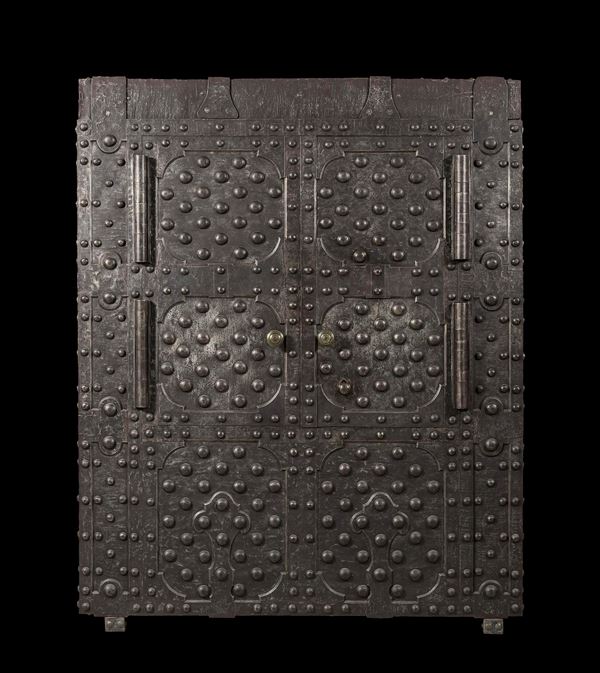
Importante cassaforte a due ante in ferro forgiato e inciso. Giuseppe Mazzoni, Milano, 1769
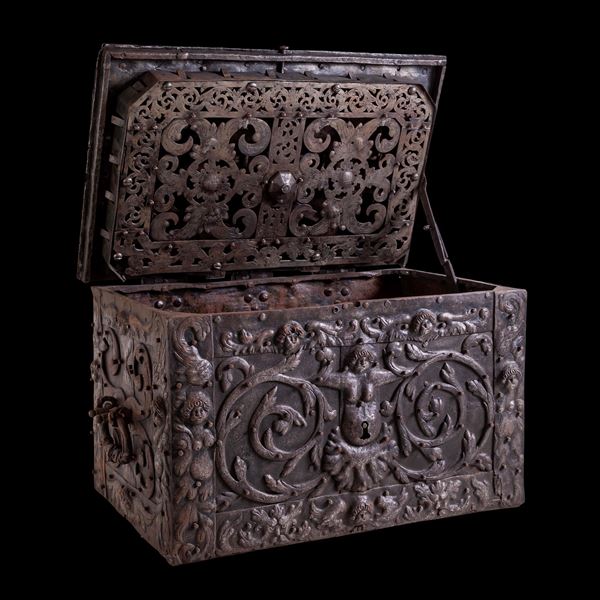
Raro forziere rinascimentale in ferro. Germania, XVI secolo
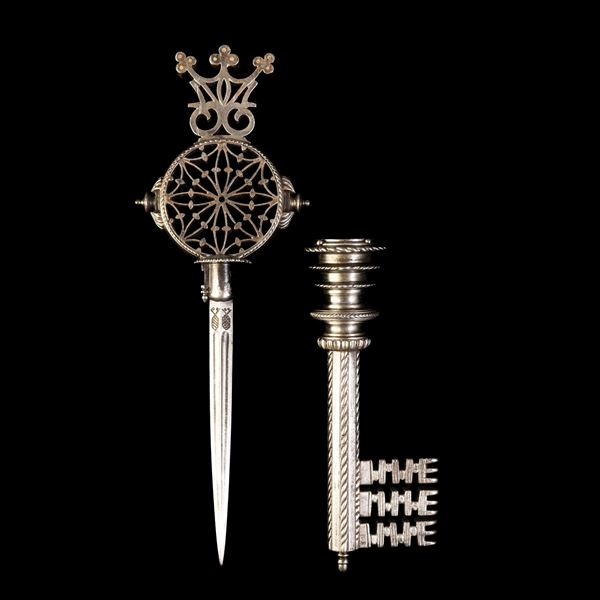
Eccezionale chiave rinascimentale in ferro forgiato con stiletto
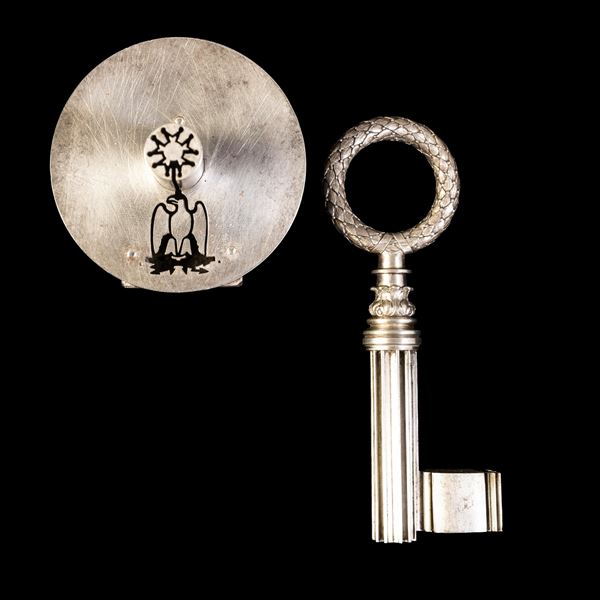
Eccezionale chiave della Legion d’onore in ferro forgiato, inciso e scolpito. Francia, XIX secolo
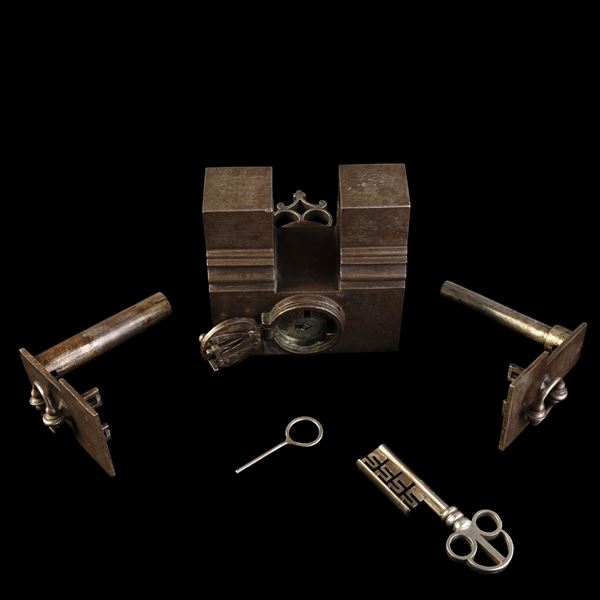
Lucchetto “da notaio” in ferro. Germania, XVII secolo
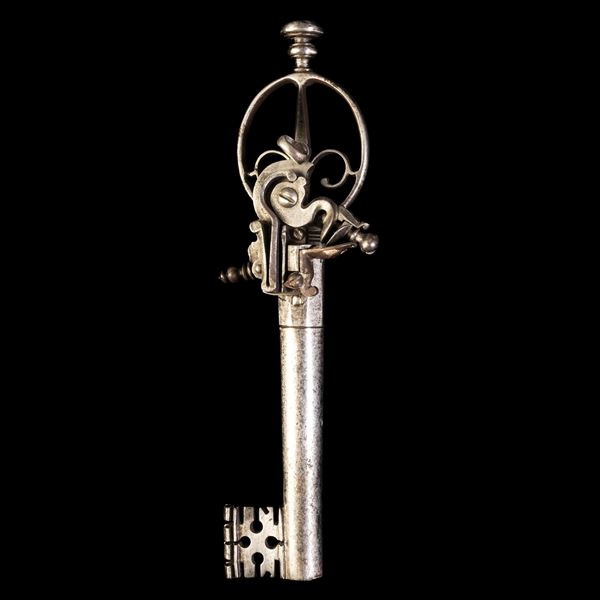
Chiave pistola in ferro forgiato. Toscana, XVIII secolo
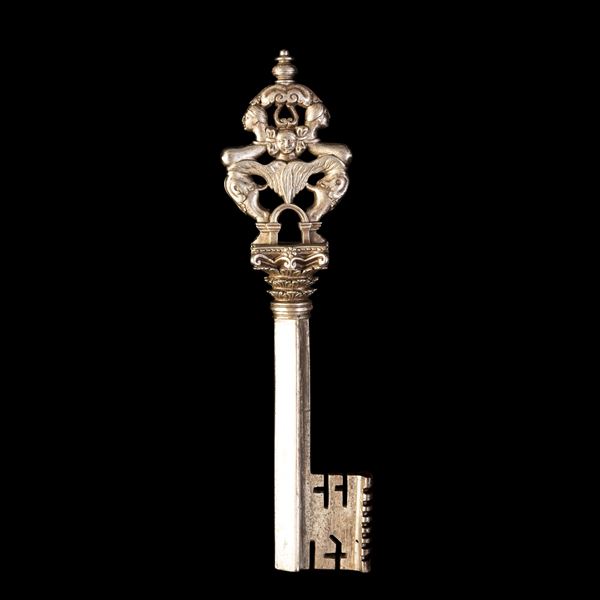
Chiave rinascimentale capo d’opera in ferro forgiato. Francia, XVII secolo
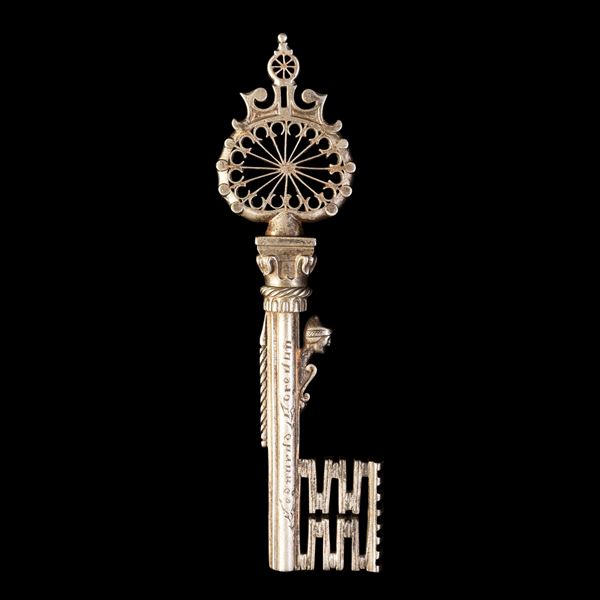
Chiave rinascimentale veneziana del Doge Loredan in ferro forgiato
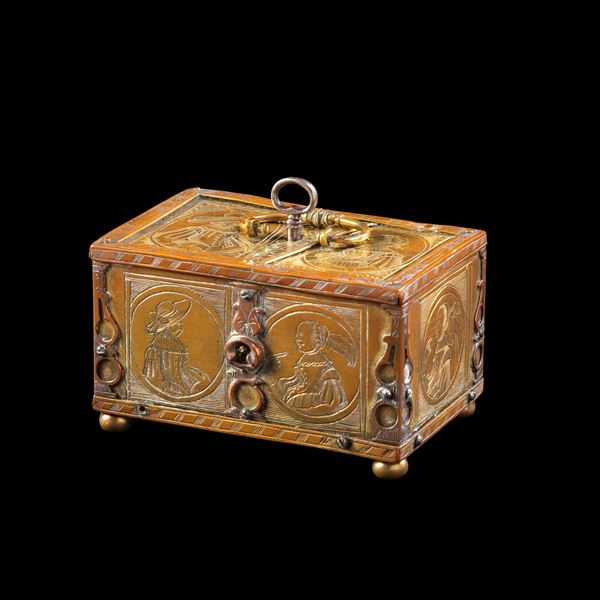
Forzierino portagioie in ottone dorato e inciso. Norimberga, Michael Mann (1589 - 1630 ca.)
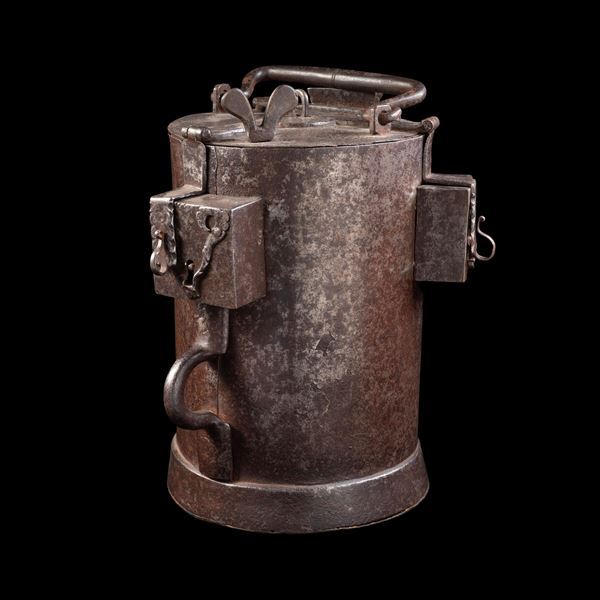
Elemosiniere salvadanaio cilindrico da confraternita in ferro. Germania meridionale, XVI secolo
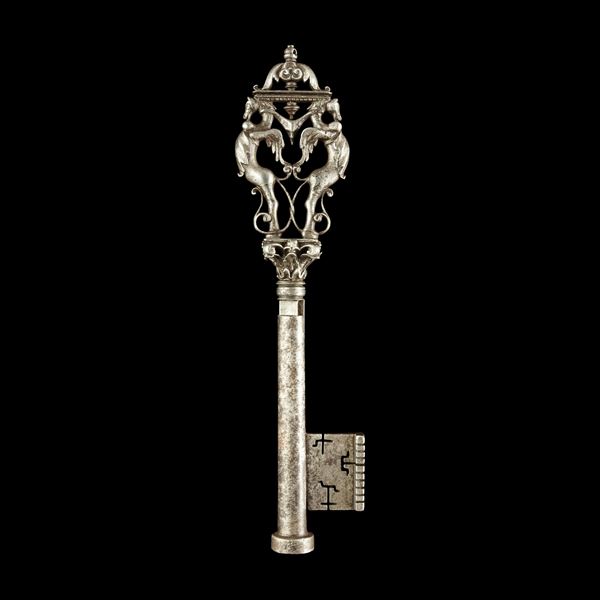
Chiave capo d’opera rinascimentale in ferro forgiato. Francia, XVII secolo